Soldering irons are incredibly useful and versatile tools — however, it’s also easy to miss out on all of the great benefits they can offer. In line with this thought, today, we’re looking at some of the main uses for a soldering iron you should know about. Hopefully, this might just allow you to find the perfect use for your new or existing soldering iron(s), too.
What Is a Soldering Iron?
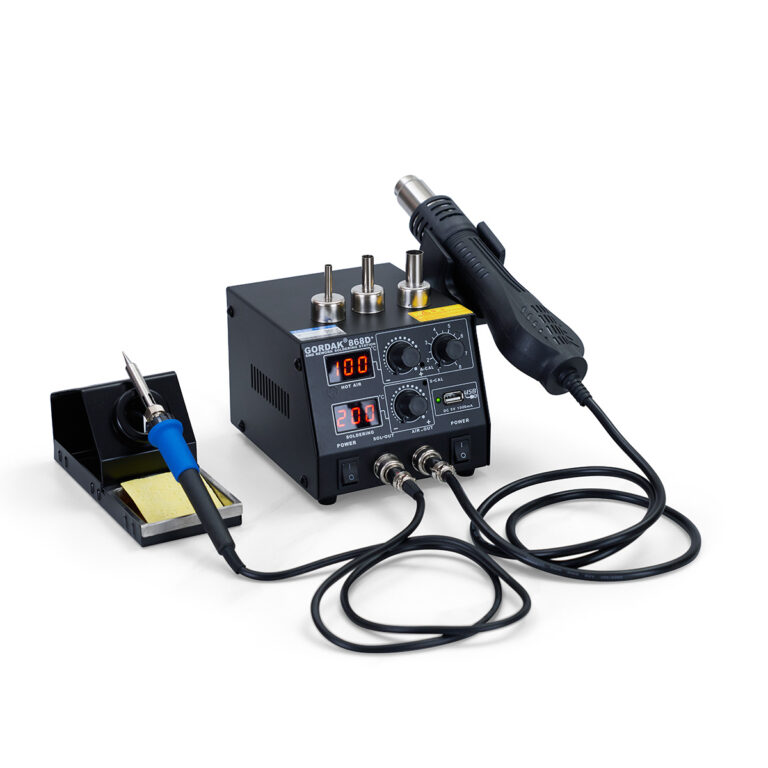
A soldering iron is a hand-held tool that uses controlled heat to melt solder and create a connection between metal surfaces. It is widely used in electronics assembly, PCB repair, wire joining, electrical work, and various DIY and metalworking applications.
A typical soldering iron consists of a heating element, handle, tip, and power connection. When the tip reaches the required temperature, it transfers heat to the joint and melts the solder. As the solder cools and solidifies, it forms a mechanical connection and, in electronics applications, an electrical connection.
The type of soldering iron you need depends on the application, including the size of the joint, required temperature, power requirements, and level of precision.
What Does a Soldering Iron Do?
A soldering iron provides the heat needed to melt solder and join two or more metal surfaces. In electronics, it allows solder to flow between a component lead, wire, terminal, or PCB pad and form a reliable electrical connection after cooling.
In practical applications, a soldering iron can be used to:
- Join wires and cables
- Attach components to printed circuit boards
- Repair damaged solder joints
- Replace electronic components
- Connect terminals and connectors
- Build electronic prototypes
- Perform certain craft and metalworking tasks
The soldering iron itself does not normally form the permanent joint. Instead, it supplies controlled heat that melts the solder, which then solidifies to create the connection.
What Are Soldering Irons Used For?
Soldering irons are most commonly used to create or repair metal connections by melting solder. Electronics is one of their most common applications, but soldering irons are also used for electrical repairs, DIY projects, crafts, and certain metalworking tasks.
Common soldering iron uses include:
- Electronics assembly and repair
- PCB soldering and rework
- Wire and cable connections
- Electrical repairs
- DIY electronics projects
- Prototyping
- Jewelry and metal crafts
- Stained glass work
- Automotive electrical repairs
- Certain plumbing and sheet metal applications
The appropriate soldering iron depends on the material being joined, joint size, required heat, and the level of precision needed. A precision electronics soldering iron, for example, is not necessarily suitable for applications that require much higher heat input.
Soldering Iron Uses in Electronics
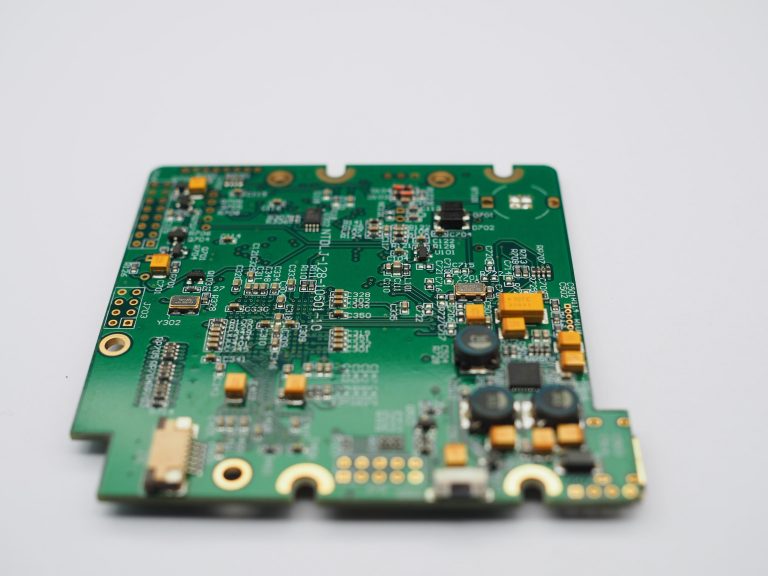
Electronics is one of the most common applications for a soldering iron. By applying controlled heat to a joint, a soldering iron can create electrical and mechanical connections between components, wires, terminals, and printed circuit boards.
PCB Assembly
Soldering irons are commonly used to attach through-hole components, connectors, wires, headers, and other components to printed circuit boards.
PCB Repair
During PCB repair, a soldering iron can be used to repair broken solder joints, replace damaged components, reconnect wires, and restore electrical connections.
Component Replacement
Technicians can use a soldering iron to remove and replace many through-hole electronic components, including:
- Resistors
- Capacitors
- Diodes
- Switches
- Connectors
- Headers
For small SMD components, a fine soldering tip and appropriate soldering technique may be required.
Wire and Cable Repair
Soldering irons can join wires or attach wires to terminals, connectors, switches, and PCB pads. This makes them useful for repairing electronic cables and small electrical assemblies.
Electronics Prototyping
Hobbyists and engineers also use soldering irons to build prototypes on:
- Perfboards
- Stripboards
- Prototype PCBs
- Custom electronic assemblies
A temperature-controlled soldering iron can make it easier to work with different component sizes and soldering requirements.
What Can You Do With a Soldering Iron at Home?
A soldering iron can be useful for many small electrical repairs and DIY projects at home. It is particularly useful when a wire, terminal, switch, or electronic component needs to be joined or replaced.
Common home uses include:
- Repairing damaged wires
- Reconnecting loose electrical connections
- Replacing small switches
- Repairing cables and connectors
- Building simple electronic projects
- Assembling DIY electronics kits
- Repairing small PCB assemblies
- Creating small craft projects
For beginners, simple wire connections and through-hole electronics projects are generally easier starting points than fine-pitch SMD repair.
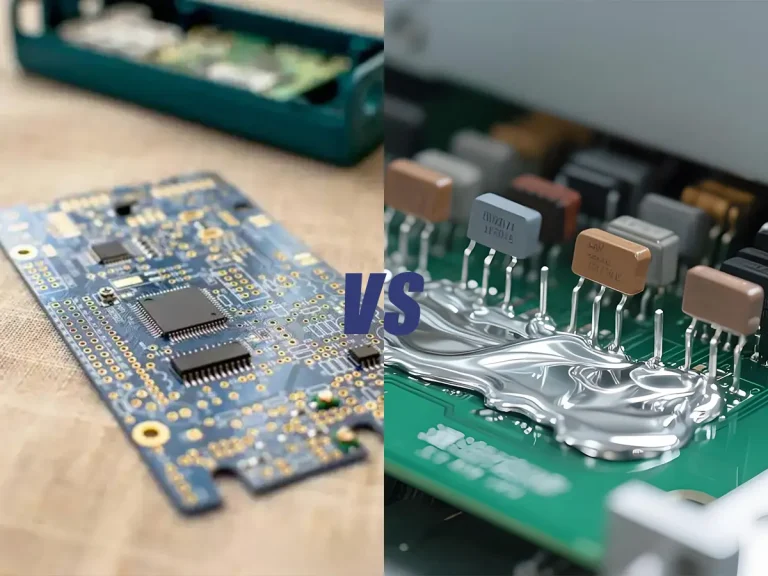
Soldering Iron vs. Soldering Gun
A soldering iron and a soldering gun both provide heat for soldering, but they are designed for different applications.
A soldering iron is generally better suited to precision work such as electronics assembly, PCB repair, wire connections, and small components. A soldering gun typically provides higher power and is more suitable for applications that require greater heat input.
| Feature | Soldering Iron | Soldering Gun |
|---|---|---|
| Typical use | Electronics and precision work | Larger electrical and metalwork applications |
| Heat control | Generally easier to control | Higher heat output |
| Precision | High | Lower for very small joints |
| PCB work | Well suited | Usually less suitable |
| Large wires | Suitable depending on power | Often better suited |
| Small components | Better choice | Generally not recommended |
For most electronics applications, a soldering iron provides the control and precision required for reliable solder joints.
How to Choose a Soldering Iron for Different Uses
Different soldering applications require different levels of temperature control, power, tip size, and portability.
| Application | Important Features |
|---|---|
| PCB repair | Precise temperature control, fine tips, thermal recovery |
| SMD soldering | Fine tips, precise control, good temperature stability |
| Wire soldering | Suitable power, medium or larger tip |
| DIY electronics | Versatility, interchangeable tips |
| Prototyping | Adjustable temperature, multiple tip options |
| Field repair | Portable design, fast heat-up |
| Craft work | Appropriate tip shape and temperature range |
| Larger metal joints | Higher heat capacity and suitable tip |
The best soldering iron is determined by the application rather than by maximum temperature or wattage alone.
Soldering Irons Do So Much More Than Just Welding
Soldering irons are designed for welding applications; there’s no doubt about that. However, while soldering irons might be primarily designed for this purpose, that’s not to say that they can’t offer a wealth of other applications, too, and this could make them excellent options to consider if you’ve been looking for a practical and versatile option.
Of course, how you end up using your soldering iron will depend largely on your specific requirements and needs.
Five Extra Uses For Soldering Irons You Should Know
If you’ve always wondered whether your soldering iron had more potential than it seemed on the surface, there is some good news. The following five examples could all be potential uses for your soldering iron, too; just be sure to check with the soldering iron manufacturer that doing so is safe for your specific device before going ahead with these.
#1 Jewelry Making
Did you know that you can actually create strong metallic jewellery with soldering irons? Compared to regular jewellery, soldering irons allow you to create much stronger seals for your jewellery, making this a valuable option to keep in mind.
#2 Sealing Fabric
A worn and frayed piece of material inevitably loses much of its original charm and beauty. Fortunately, you can potentially overcome this struggle by sealing the edges of frayed fabrics, and a soldering iron can potentially help with this if you have a synthetic, non-flammable fabric. However, don’t use soldering irons on flammable fabrics, as this could result in them getting singed or even catching alight.
#3 Creating Designs on Wood
If you’ve been feeling creative, a soldering iron can allow you to create stunning artwork on wood! This simple process is a unique way to show off your creativity, giving you the chance to create bespoke, personalised artwork accordingly.
#4 Creating Stained Glass Mosaics
If you’ve ever seen a stunning stained glass design and wanted to recreate this for yourself, a soldering iron can be an incredibly useful tool. A sodering iron allows you to create breathtaking stained glass mosaics and patterns, soldering helping to hold the individual shards of the stained glass together.
#5 Repairing Plastics
In some cases, careful application of heat from a soldering iron can allow you to repair slight cracks and holes in plastics. In line with this, if you have a broken plastic part that you don’t want to throw away just yet, you could try using your soldering iron to fix it.
How to Use a Soldering Iron Safely
A soldering iron can reach temperatures high enough to cause burns and damage nearby materials, so proper handling is essential.
When using a soldering iron:
- Place the iron in a stable stand when it is not in use.
- Never touch the heated tip directly.
- Keep the hot tip away from cables and flammable materials.
- Work in a well-ventilated area when soldering.
- Keep your workspace organized and free from unnecessary materials.
- Allow the soldering iron to cool before storage or maintenance.
- Use appropriate protective equipment for the application.
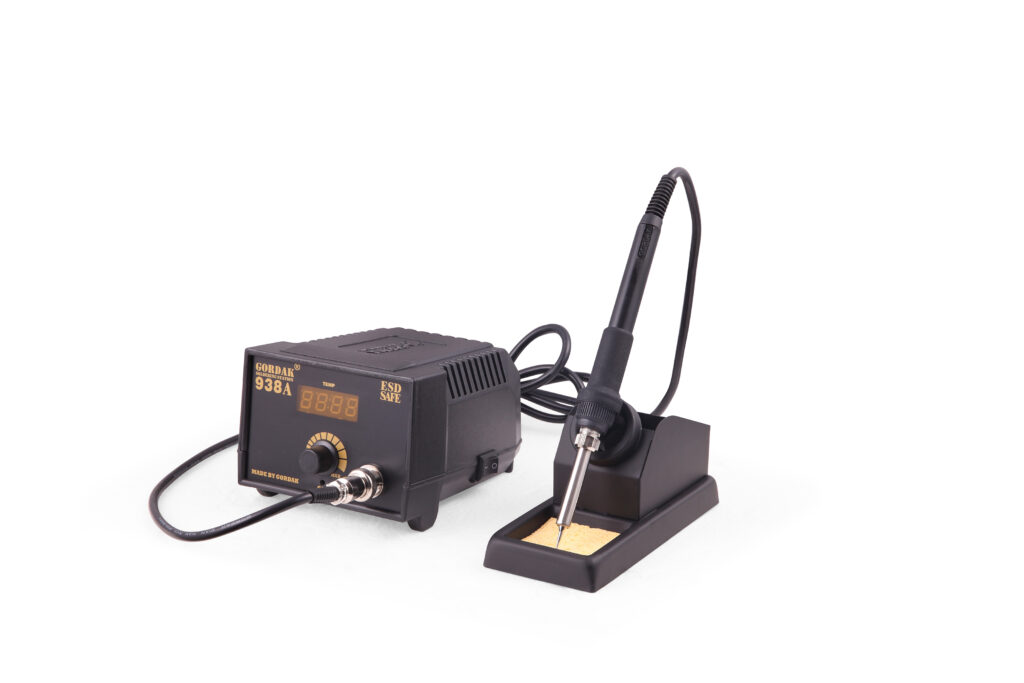
When working with sensitive electronic components, an ESD-safe soldering setup can also help reduce the risk of electrostatic damage.
Final Thoughts
Soldering irons are undoubtedly great options for those needing a specialist soldering tool; however, don’t overlook the other great features and applications of soldering irons, too. After all, you might just find that they are exactly the product you have been searching for in a wide array of scenarios. So, from soldering to artwork and everything in between, be sure to keep an open mind on the benefits of soldering irons! For any questions, please contact us at info@gordakelec.com.