Soldering iron tip oxidation occurs when the heated surface of a soldering tip reacts with oxygen, creating an oxide layer that prevents solder from wetting the tip properly. Once oxidation develops, solder may bead up, heat transfer becomes less efficient, and soldering performance declines.
Oxidation is one of the most common reasons solder won’t stick to a soldering iron tip. It can affect both hobbyists and professional technicians, especially during lead-free soldering or when tips are exposed to excessive heat for long periods. Fortunately, most oxidation problems can be prevented—and in many cases restored—with proper maintenance.
This guide explains what causes soldering iron tip oxidation, how to identify it, how to restore an oxidized tip, and the best practices for extending tip life.
What Is Soldering Iron Tip Oxidation?
How a Modern Soldering Tip Is Constructed
To understand oxidation, it helps to understand how a soldering tip is built.
Most modern soldering tips contain:
- A copper core for efficient heat transfer
- An iron-plated working surface
- Nickel and chrome plating on non-working areas
Copper conducts heat extremely well, but it dissolves rapidly when exposed to molten solder. For this reason, manufacturers cover the copper core with an iron plating layer that protects the tip while maintaining good thermal conductivity.
The iron plating is the actual surface that comes into contact with solder.
What Happens During Oxidation?
When a soldering iron is heated, the iron-plated surface is continuously exposed to oxygen in the air.
Over time:
- Oxygen reacts with the iron surface
- Iron oxide forms
- The oxide layer becomes thicker
- Solder can no longer wet the surface effectively
Unlike clean iron plating, oxidized surfaces repel solder rather than attract it.
Why Oxidation Affects Soldering Performance
A properly maintained soldering tip should hold a thin, shiny layer of solder.
When oxidation develops:
- Solder beads up instead of spreading
- Heat transfer efficiency decreases
- More contact time is required
- Solder joints become harder to form
As oxidation worsens, the tip may appear black, dull, or rough and become increasingly difficult to use.
What Causes Soldering Iron Tip Oxidation?
Running the Tip at Excessive Temperature
Temperature is one of the biggest factors affecting tip life.
Higher temperatures accelerate chemical reactions between iron and oxygen. The hotter the tip becomes, the faster oxidation develops.
Common situations that increase oxidation include:
- Operating at unnecessarily high temperatures
- Leaving the station idle for extended periods
- Using maximum temperature settings for routine soldering
While high temperatures may seem to improve solder flow, they often shorten tip lifespan significantly.
Leaving the Tip Dry
Many beginners clean the tip and then leave it exposed without solder coverage.
This allows oxygen to contact the iron plating directly.
A thin layer of solder acts as a protective barrier that helps prevent oxidation. Without this protective coating, oxidation can occur surprisingly quickly.
Using Lead-Free Solder
Lead-free solder has become the industry standard in many applications, but it is generally harder on soldering tips.
Compared with traditional leaded solder, lead-free alloys:
- Require higher working temperatures
- Produce faster oxidation
- Demand more frequent maintenance
Because of these higher temperatures, tip oxidation often develops more rapidly during lead-free soldering.
Poor Cleaning Practices
Cleaning is essential, but excessive cleaning can create problems.
Common mistakes include:
- Wiping too aggressively
- Cleaning too frequently
- Removing all solder from the tip after every joint
Each time the protective solder layer is removed, the tip becomes vulnerable to oxidation until fresh solder is applied.
Low-Quality Solder or Flux
Flux plays an important role in removing oxides and promoting solder wetting.
Poor-quality solder and flux may:
- Provide inadequate oxide removal
- Leave contamination behind
- Reduce solder flow performance
As a result, oxidation can build up more quickly on the tip surface.
Signs Your Soldering Iron Tip Is Oxidized
Solder Won’t Stick to the Tip
This is often the first symptom users notice.
Instead of coating the tip evenly, molten solder:
- Forms small balls
- Slides off the surface
- Refuses to wet the tip
If solder no longer adheres to the working area, oxidation is a likely cause.
The Tip Turns Black or Dark Gray
A healthy tip typically appears bright and metallic when freshly tinned.
An oxidized tip often develops:
- Black areas
- Dark gray discoloration
- Burned-looking surfaces
Discoloration alone does not always indicate severe damage, but it is usually an early warning sign.
Solder Beads Up and Rolls Off
When oxidation prevents proper wetting, solder behaves differently.
Instead of spreading smoothly across the tip, it forms droplets that remain separate from the surface.
This behavior indicates that the oxide layer is interfering with solder adhesion.
Poor Heat Transfer
An oxidized tip may still become hot, but heat does not transfer efficiently to the workpiece.
Common symptoms include:
- Longer soldering times
- Difficulty heating pads
- Slow solder melting
- Inconsistent results
Rough or Dull Surface Appearance
Healthy tips typically appear smooth and evenly coated.
Oxidized tips may develop:
- Rough texture
- Pitted areas
- Dull surfaces
- Uneven solder coverage
These signs usually indicate that oxidation has progressed beyond the earliest stages.
Why Does a Brand-New Soldering Tip Oxidize So Quickly?
Many users assume rapid oxidation indicates a manufacturing defect.
In reality, new tips often fail because of maintenance and operating habits.
Incorrect Initial Tinning
A new tip should be tinned during its first heating cycle.
Failing to apply solder promptly can expose fresh iron plating to oxidation before a protective layer is established.
Excessive Temperature Settings
Running a new tip at 400°C or higher for routine work accelerates oxidation dramatically.
Many soldering tasks can be completed at significantly lower temperatures while achieving better tip longevity.
Leaving the Station Powered On While Idle
A soldering iron sitting idle at operating temperature continues oxidizing even when not being used.
Long idle periods often cause more damage than active soldering.
Using Lead-Free Solder Without Proper Maintenance
Lead-free soldering requires:
- Better temperature control
- More frequent tip cleaning
- Regular re-tinning
Without these practices, oxidation develops quickly.
Inadequate Cleaning Methods
Using the wrong cleaning method can damage tip surfaces and accelerate oxidation.
Examples include:
- Steel wool
- Sandpaper
- Files
- Abrasive scraping
These methods remove protective plating and shorten tip life.
How to Remove Oxidation from a Soldering Iron Tip
Method 1 – Use Fresh Solder and Flux
For light oxidation:
- Heat the soldering iron to working temperature.
- Apply fresh rosin-core solder.
- Allow the flux to react with the oxidized surface.
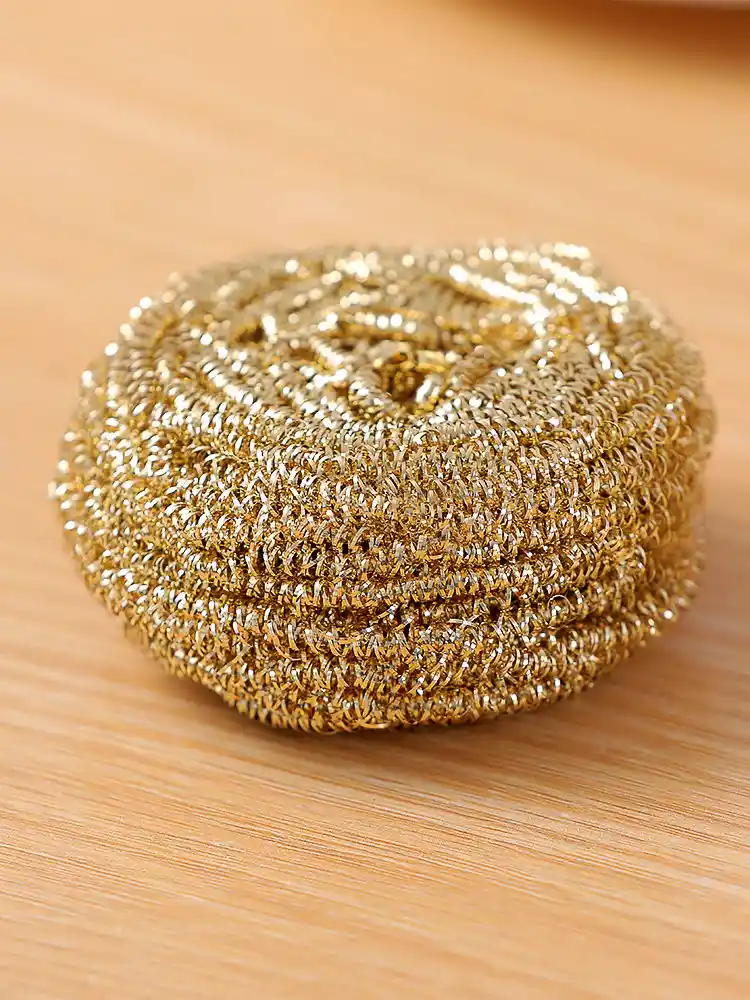
- Wipe gently using brass wool.
- Repeat if necessary.
Many mildly oxidized tips can be restored using this method alone.
Method 2 – Use a Tip Tinner
Tip tinner is specifically designed to remove oxidation and re-tin soldering tips.
To use it:
- Heat the tip.
- Insert it into the tip tinner compound.
- Rotate gently.
- Apply fresh solder afterward.
Tip tinner is often effective for moderate oxidation that cannot be removed with solder alone.
Method 3 – Clean with Brass Wool
Brass wool removes residue while minimizing damage to the plating.
Unlike abrasive materials, brass wool cleans the surface without removing protective layers.
A few gentle passes are usually sufficient.
Method 4 – Repeat Tinning Cycles
Severe oxidation sometimes requires multiple cycles of:
- Flux application
- Fresh solder
- Brass wool cleaning
Patience is important. Restoring heavily oxidized tips may take several attempts.
What NOT to Do When Removing Oxidation
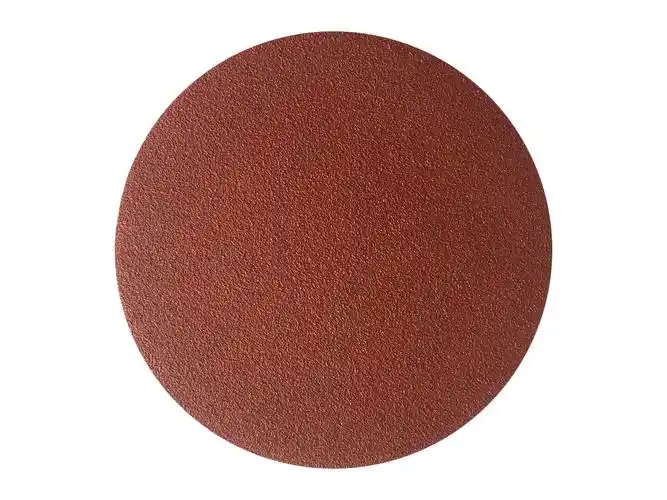
Do Not Use Sandpaper
Sandpaper may make a tip look cleaner temporarily, but it removes the iron plating that protects the copper core.
Once the plating is damaged:
- Oxidation accelerates
- Tip wear increases dramatically
- Tip lifespan is significantly reduced
For modern plated tips, sandpaper should be avoided.
Do Not Use Files
Metal files remove oxidation by physically removing material.
The problem is that they also remove the protective iron layer.
A filed tip may appear restored initially, but it often deteriorates rapidly afterward.
Do Not Use Steel Wool
Steel wool is much harder than brass wool and can scratch the plated surface.
In addition, small steel particles may remain on the tip and contribute to contamination.
Brass wool is generally the safer option for routine cleaning.
Do Not Scrape Plated Tips
Using knives, screwdrivers, or other hard tools to scrape oxidation can permanently damage the tip surface.
Once the iron plating is breached and the copper core becomes exposed, tip failure usually follows quickly.
How to Prevent Soldering Iron Tip Oxidation
Keep the Tip Tinned
The simplest and most effective protection against oxidation is maintaining a thin layer of solder on the working surface.
Fresh solder acts as a barrier between oxygen and the iron plating.
Tips should be re-tinned:
- Before soldering
- After cleaning
- Before storage
Lower Temperature During Idle Periods
Oxidation continues whenever the tip remains hot.
Reducing temperature during breaks can significantly slow oxidation.
For example:
- Active soldering: follow the temperature required for the solder alloy and application
- Short breaks: reduce temperature when possible
- Long idle periods: use standby mode or power off
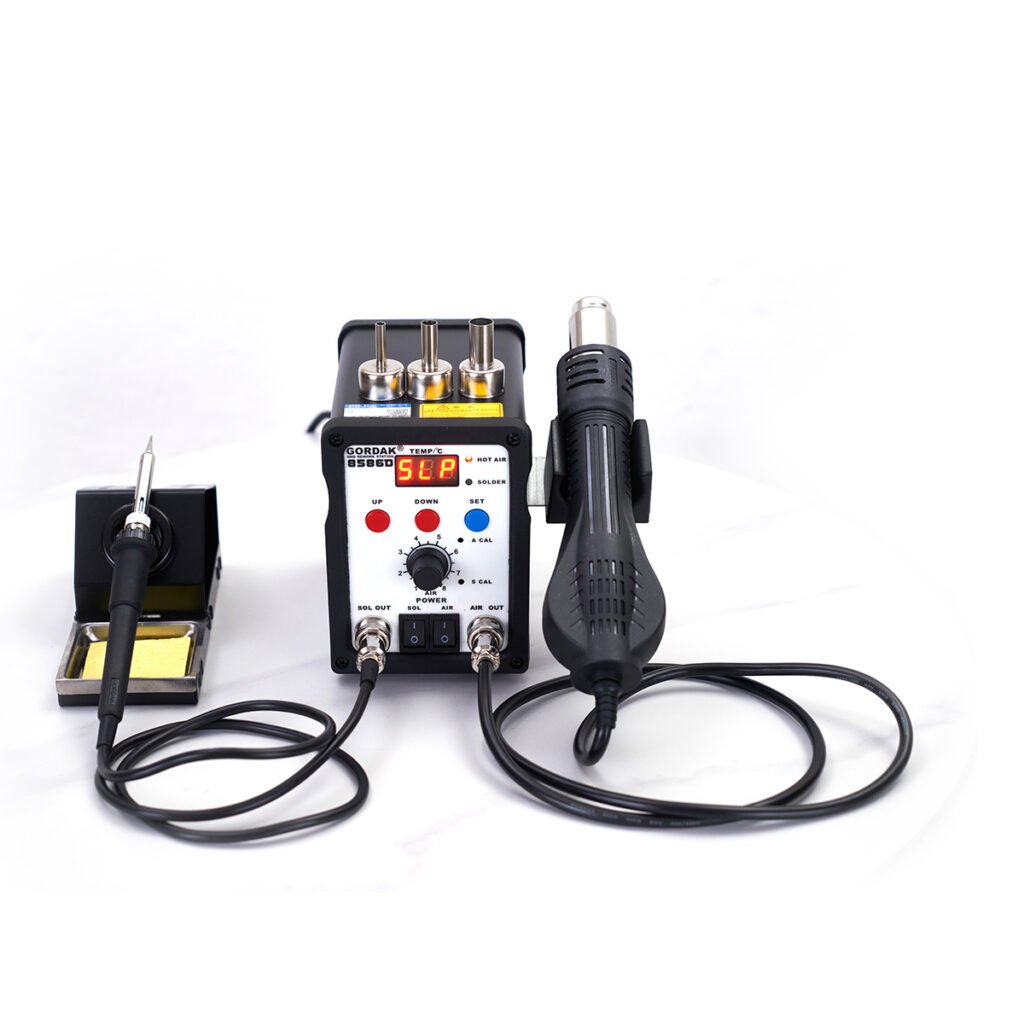
Use Sleep Mode When Available
Many professional soldering stations include:
- Sleep mode
- Auto standby
- Automatic temperature reduction
These features lower tip temperature during inactivity, reducing oxidation and extending tip life.
For technicians who solder regularly throughout the day, this can make a noticeable difference in maintenance costs.
Clean Properly
Cleaning removes burnt flux and contaminants, but excessive cleaning can expose the plating unnecessarily.
Good practice includes:
- Using brass wool for routine cleaning
- Cleaning only when needed
- Re-tinning immediately after cleaning
The goal is to remove residue while preserving the protective solder coating.
Re-Tin Before Shutting Down
This is one of the most common habits among experienced technicians.
Before turning off the station:
- Apply fresh solder to the tip.
- Leave the solder coating in place.
- Allow the tip to cool naturally.
The solder layer helps shield the iron plating from oxygen while the tip cools.
Brass Wool vs Wet Sponge: Which Is Better for Tip Maintenance?
Benefits of Brass Wool
Brass wool has become the preferred cleaning method in many electronics workshops.
Advantages include:
- Minimal temperature drop
- Less thermal shock
- Faster recovery
- Reduced oxidation risk
Because the tip remains closer to operating temperature, soldering can continue immediately after cleaning.
Benefits of a Wet Sponge
A damp sponge can effectively remove:
- Burnt flux residue
- Excess solder
- Surface contamination
Many technicians still use damp sponges successfully when they are properly maintained.
The sponge should be damp, not soaking wet.
Which Should Be Used Most Often?
For routine cleaning, brass wool is generally preferred because it minimizes temperature fluctuations.
A damp sponge can still be useful for occasional deep cleaning, but repeated rapid cooling may increase thermal stress on the tip.
Many professionals keep both available and use each when appropriate.
When Should You Replace an Oxidized Soldering Tip?
Not every oxidized tip can be restored.
Oxidation Can No Longer Be Removed
If repeated cleaning, flux treatment, and tip tinner applications fail to restore solder wetting, replacement may be necessary.
Copper Core Becomes Exposed
The copper core wears much faster than iron plating.
Signs of exposed copper include:
- Deep cavities
- Rapid erosion
- Unusual tip shape changes
Once copper is exposed, replacement is recommended.
Severe Pitting Appears
Small pits can sometimes be tolerated, but extensive pitting reduces:
- Heat transfer
- Solder retention
- Overall performance
Heat Transfer Remains Poor
If the tip remains difficult to use despite restoration attempts, internal damage may already be affecting performance.
A new tip is often more efficient than continued troubleshooting.
Lead-Free Solder and Tip Oxidation
Why Lead-Free Soldering Is Harder on Tips
Lead-free solder typically requires higher working temperatures than traditional leaded solder.
Higher temperatures accelerate oxidation and increase thermal stress on the plating.
Increased Oxidation Rate
In lead-free environments, technicians often notice:
- Faster discoloration
- More frequent cleaning requirements
- Shorter maintenance intervals
This does not mean lead-free soldering is harmful when done correctly, but it does require greater attention to tip care.
Best Practices for Lead-Free Soldering
To reduce oxidation:
- Use the lowest effective temperature
- Re-tin frequently
- Use quality flux-core solder
- Avoid long idle periods
- Use sleep mode when available
These practices help offset the additional demands of lead-free processes.
Professional Tips for Extending Soldering Tip Life
Use the Correct Temperature
Higher temperature does not always mean better soldering.
Using only the temperature necessary for the job helps reduce:
- Oxidation
- Flux burnout
- Tip wear
Re-Tin Frequently
Regular tinning protects the plating and improves heat transfer.
A few seconds spent re-tinning can add months to a tip’s usable life.
Use Quality Solder and Flux
Good consumables promote:
- Better wetting
- Cleaner joints
- Reduced oxidation
Low-quality solder often creates maintenance problems that are difficult to diagnose.
Avoid Unnecessary Idle Heating
A soldering station left running for hours without use continues to age the tip.
When work pauses:
- Activate standby mode
- Lower temperature
- Turn off the station if appropriate
Inspect Tips Regularly
Early signs of oxidation are easier to address than severe damage.
Routine inspection helps identify:
- Discoloration
- Poor wetting
- Surface deterioration
before major performance issues develop.
FAQs
The most common cause is oxidation. Other possibilities include contamination, insufficient flux activity, or incorrect temperature settings.
In many cases, yes. Light to moderate oxidation can often be removed using flux, fresh solder, brass wool, or a tip tinner.
Possible causes include: Excessive temperature, Lead-free soldering, Leaving the tip dry, Long idle periods, Poor maintenance habits
Not always, but it can be extremely useful when normal cleaning methods fail to restore proper solder wetting.
Yes. Because lead-free soldering typically requires higher temperatures, oxidation generally occurs faster than with traditional leaded solder.
Yes. Leaving a thin layer of solder on the tip helps protect the plating from oxidation during cooling and storage.
Conclusion
Soldering iron tip oxidation is one of the most common causes of poor soldering performance. As oxidation develops, solder stops wetting the tip properly, heat transfer becomes less efficient, and creating reliable solder joints becomes increasingly difficult.
Fortunately, most oxidation problems can be prevented through simple maintenance habits such as proper tinning, temperature control, routine cleaning, and minimizing idle heating. Even when oxidation occurs, many tips can be restored using fresh solder, flux, brass wool, or tip tinner.
Understanding how oxidation develops—and how to manage it—helps improve solder quality, extend tip lifespan, and maintain consistent soldering performance.
Contact info@gordakelec.com to learn more about GORDAK’s professional soldering and rework solutions for electronics repair, PCB assembly, OEM, and industrial applications.