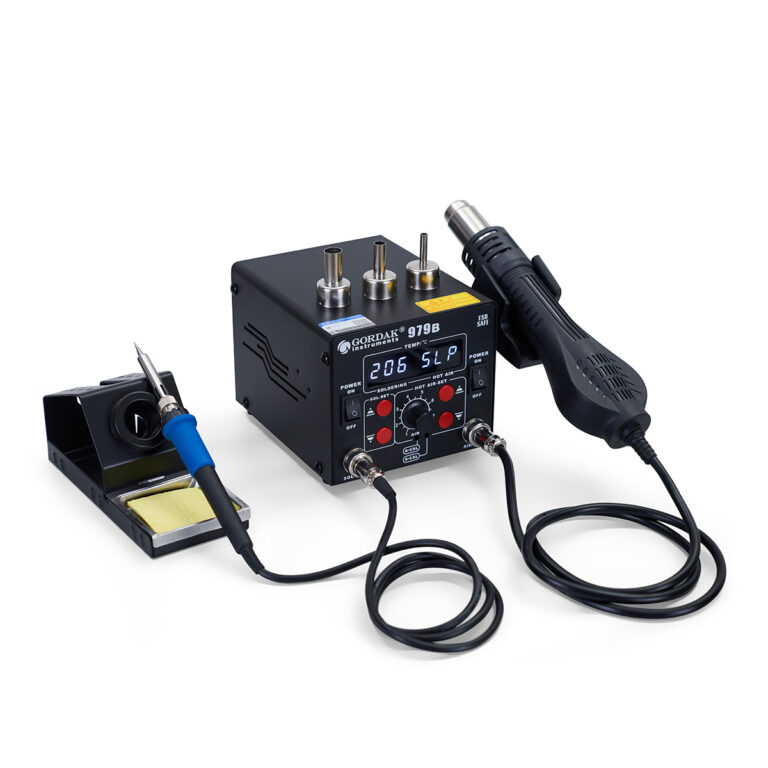
Digital soldering is a modern approach to electronic soldering that uses digital control systems to precisely regulate temperature and performance. Compared with traditional analog soldering tools, digital soldering provides greater accuracy, stability, and consistency—making it ideal for today’s high-precision electronics.
What Is Digital Soldering?
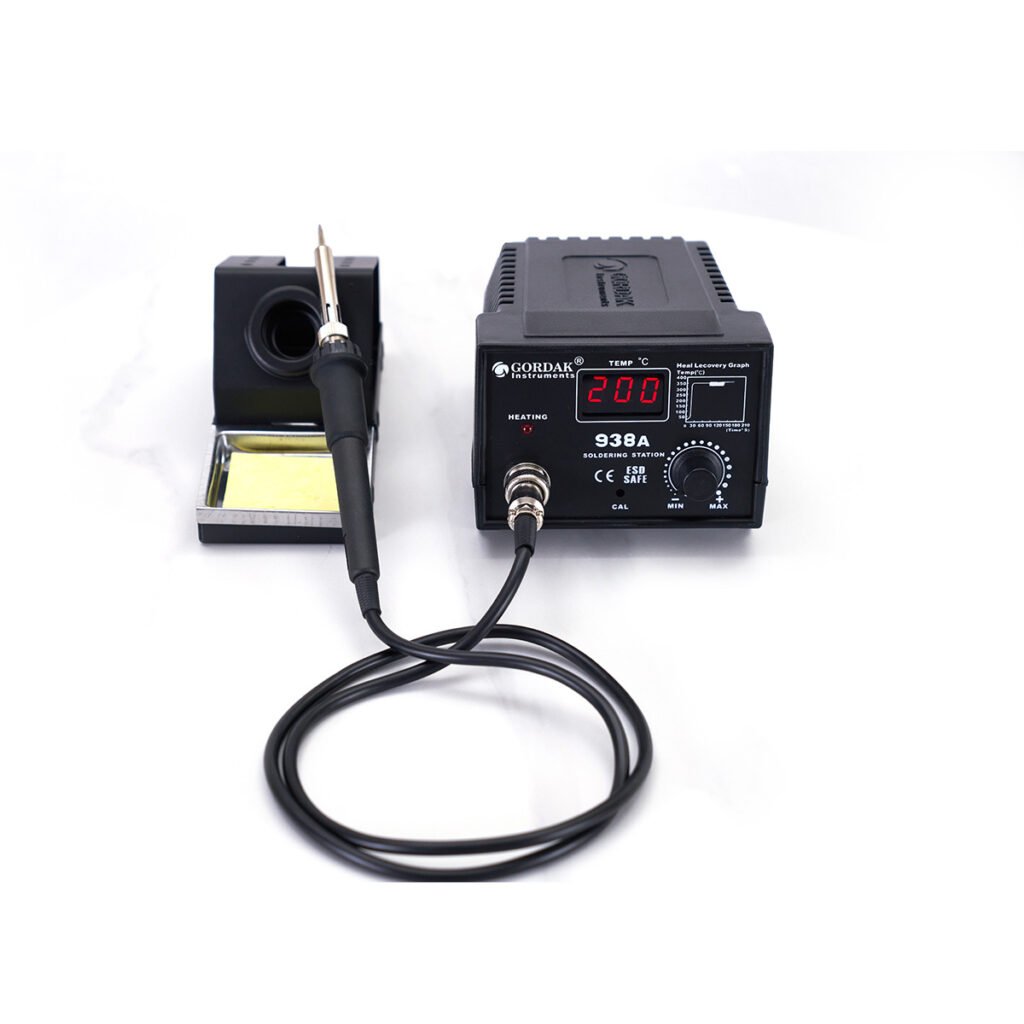
Digital soldering refers to soldering systems equipped with microprocessor-based temperature control and digital displays. These systems continuously monitor the soldering tip temperature and adjust power in real time to maintain the exact set value.
Unlike conventional soldering irons that rely on basic thermostats or uncontrolled heating, digital soldering stations deliver precise, repeatable heat throughout the soldering process.
How Digital Soldering Works
A digital soldering station uses internal sensors and a control chip to create a feedback loop:
- The user sets the desired temperature digitally
- Sensors measure the actual tip temperature in real time
- The system instantly adjusts power to maintain accuracy
This rapid response ensures minimal temperature fluctuation, even when soldering large joints or heat-absorbing components.
Key Features of Digital Soldering Systems
Digital soldering stations typically offer:
- Precise temperature adjustment
- Clear digital temperature display
- Fast thermal recovery
- Temperature calibration and locking
- Stable heat output
These features make digital soldering especially suitable for professional electronics work.
How Digital Soldering Improves Your Work
Higher Soldering Accuracy
Precise temperature control allows solder to melt and flow correctly, producing clean, strong, and reliable solder joints.
Better Protection for Components
Digital control prevents overheating, reducing the risk of damaging sensitive components and PCB traces.
Consistent Results
Maintaining a stable temperature ensures uniform solder joints across multiple boards, improving quality and reducing rework.
Improved Efficiency
Fast thermal recovery means less waiting time and smoother workflow, especially in production or repair environments.
Easier Lead-Free Soldering
Digital soldering makes it easier to work with lead-free solders, which require higher and more controlled temperatures.
Conclusion
Digital soldering brings precision, consistency, and efficiency to modern electronics work. By offering accurate temperature control and stable performance, it improves solder joint quality, protects components, and streamlines the soldering process. For anyone working with today’s compact and sensitive electronic devices, digital soldering is a smart and practical upgrade.
For further questions, please contact us at info@gordakelec.com.