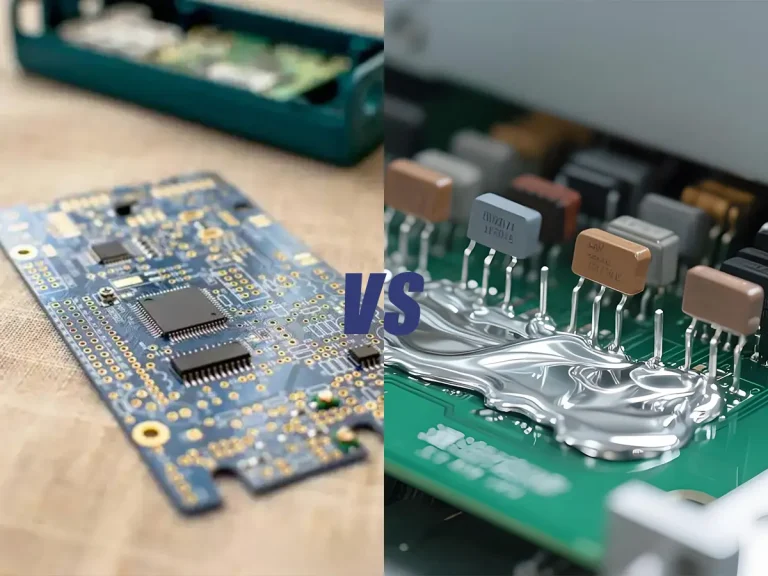
Hot air soldering is not inherently better than a soldering iron—it is better for certain applications, while a soldering iron remains the superior choice for others. The effectiveness of each method depends on the component type, PCB design, and task being performed.
When Hot Air Soldering Is Better
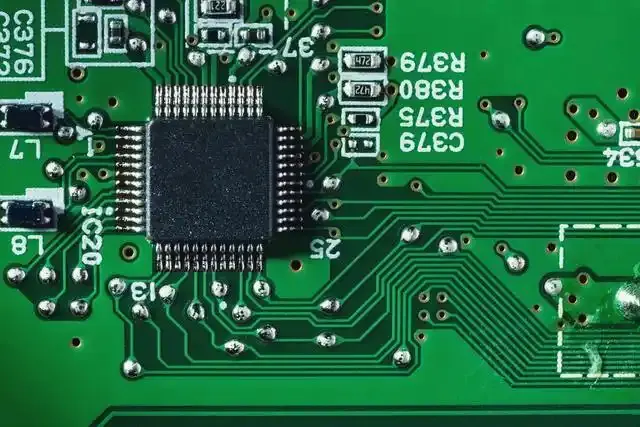
Hot air soldering excels in surface-mount (SMD) applications and electronic rework.
- Even heating of components
Hot air heats all solder joints simultaneously, reducing uneven thermal stress. - Safer removal of SMD components
ICs, chips, and fine-pitch parts can be removed or replaced without direct contact. - Lower risk of pad damage
Because no tip touches the PCB, there is less chance of lifted pads or scratched traces. - Efficient for rework tasks
Ideal for reflowing solder, correcting bridges, and replacing multi-pin components.
For dense PCBs and modern electronics, hot air soldering is often the more practical option.
When a Soldering Iron Is Better
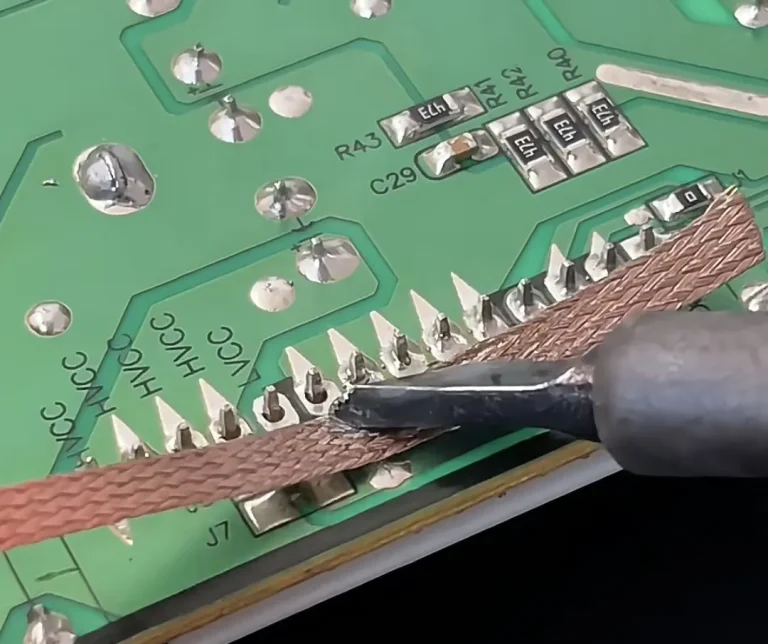
A soldering iron remains essential for through-hole and point-specific soldering.
- Greater precision on single joints
Direct contact allows controlled heating of individual solder points. - Best for wires and connectors
Terminals, cables, and large components require focused heat. - Faster for simple tasks
No airflow setup is needed, making it efficient for quick repairs. - Lower heat impact on nearby parts
Heat stays localized at the joint being soldered.
For manual assembly and traditional electronics work, a soldering iron is often the better choice.
Final Answer
Hot air soldering is better for SMD installation, removal, and rework, while a soldering iron is better for through-hole components, wiring, and precise single-joint soldering.
Neither method replaces the other—each is best used where its strengths apply.
For further questions, please contact us at info@gordakelec.com.