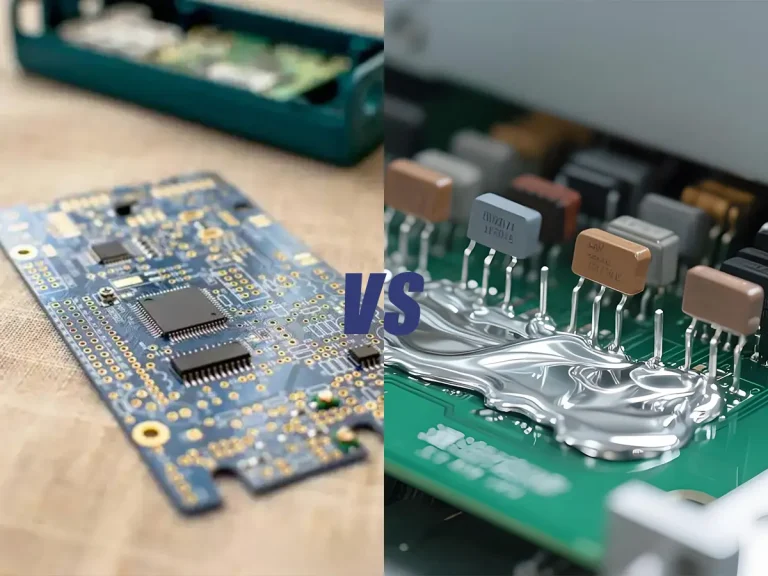
Flux is a chemical cleaning agent used in electronics soldering to remove oxidation from metal surfaces and improve solder wetting, ensuring strong and reliable PCB solder joints.
Without flux, solder often fails to bond properly because copper surfaces naturally oxidize when exposed to air. This leads to weak joints, poor electrical connection, and inconsistent solder flow.
In electronics repair and PCB assembly, flux is not optional—it is a core material that directly affects solder quality, rework success, and long-term reliability. This guide explains how flux works, its types, how to use it correctly, and common mistakes to avoid.
What Is Flux in Electronics Soldering?
Definition of flux
Flux is a chemical substance used during soldering to clean metal surfaces and promote proper bonding between solder and components.
It is typically applied to PCB pads, component leads, or directly integrated into solder wire.
Role in PCB repair
Flux performs three critical functions in electronics soldering:
- Removes oxide layers from copper and metal surfaces
- Improves solder wetting and spreading
- Enhances heat transfer efficiency during soldering
Without these functions, solder cannot form a stable connection with PCB pads.
Why flux is necessary
Copper and solder surfaces oxidize almost immediately when exposed to air. This oxide layer acts as a barrier that prevents solder from bonding properly.
Flux chemically breaks down this layer, allowing clean metal contact and smooth solder flow.
How Flux Works During Soldering
Oxide removal process
During heating, flux activates and removes oxidation from metal surfaces. This cleaning action exposes fresh metal, making it ready for solder bonding.
Wetting improvement
Once the surface is clean, molten solder can spread evenly across pads and component leads. This process is called wetting and is essential for strong electrical and mechanical connections.
Heat transfer support
Flux reduces surface resistance between solder and metal, allowing heat to transfer more efficiently. This helps solder melt and flow more consistently, especially in PCB rework.
Main Types of Flux Used in Electronics Repair
Rosin flux (traditional electronics flux)
Rosin flux is derived from natural resin and has been widely used in electronics for decades.
Key characteristics:
- Common in hand soldering
- Available in different activity levels (mild to strong)
- Leaves residue that may require cleaning depending on type
It is still widely used in repair environments due to its stable performance.
No-clean flux
No-clean flux is designed to leave minimal, non-corrosive residue after soldering.
Key characteristics:
- Common in production and assembly lines
- Reduces or eliminates cleaning requirements
- Suitable for high-volume PCB manufacturing
It is widely used when post-solder cleaning is not practical.
Water-soluble flux
Water-soluble flux has high activity and strong cleaning performance.
Key characteristics:
- Excellent oxide removal capability
- Requires thorough cleaning after soldering
- Common in industrial PCB manufacturing
If not cleaned properly, residue may cause long-term reliability issues.
Flux core solder vs external flux
Flux is also delivered in two main forms:
- Flux-core solder: flux is embedded inside solder wire
- External flux: applied separately for rework or heavily oxidized surfaces
External flux is especially useful in PCB repair and SMD rework tasks where oxidation is already present.
When to Use Flux in PCB Repair
General soldering tasks
Flux is used in all standard component soldering to ensure smooth wetting and reliable joints.
SMD rework
In fine-pitch SMD work, flux helps:
- Prevent solder bridging
- Improve solder flow between small pads
- Stabilize IC rework processes
Desoldering operations
Flux helps soften and reflow old solder, making component removal cleaner and reducing PCB pad damage risk.
Oxidized pads or old PCBs
On aged or repaired boards, oxidation buildup is common. Flux restores solderability by cleaning the surface before re-soldering.
How to Apply Flux Correctly
Brush application method
Using a small brush allows controlled application directly onto pads or leads. This is ideal for precision PCB repair.
Gel flux usage
Gel flux is commonly used in SMD and rework applications because it stays in place and does not flow uncontrollably.
Liquid flux usage
Liquid flux spreads easily and is suitable for general PCB repair or larger surface areas.
Amount control
Proper flux quantity is important:
- Too little flux → poor wetting and weak joints
- Too much flux → residue buildup and cleaning issues
Balanced application ensures clean and reliable soldering.
Common Flux-Related Soldering Problems
Using too little flux
Insufficient flux leads to:
- Cold solder joints
- Poor wetting
- Solder beading or rolling off
Using too much flux
Excess flux can cause:
- Sticky residue
- Cleaning difficulties
- Potential long-term contamination depending on flux type
Using incorrect flux type
Using non-electronics flux (such as plumbing flux) can damage PCBs and cause corrosion or poor electrical performance.
Flux and Soldering Temperature Relationship
Flux activation temperature
Flux must reach its activation temperature range to properly clean and prepare surfaces for soldering.
Burn-off risk at high temperature
If temperature is too high, flux may burn off too quickly before it completes its cleaning function, resulting in weak solder joints.
Importance of temperature control
Stable soldering temperature ensures flux remains active long enough to clean surfaces and support proper solder flow.
Flux in SMD and PCB Rework Applications
Role in SMD soldering
Flux is critical in SMD work because it:
- Prevents solder bridging
- Improves wetting on small pads
- Stabilizes fine-pitch soldering results
Role in hot air rework
In hot air rework, flux helps solder reflow evenly, making component removal and replacement more controlled.
Role in desoldering
Flux reduces adhesion strength of old solder, making it easier to remove components without damaging pads.
Choosing the Right Flux for Electronics Repair
Based on PCB type
Different PCBs require different flux activity levels depending on complexity and sensitivity.
Based on soldering process
- Hand soldering: rosin or gel flux
- SMD rework: gel or tacky flux
- Production: no-clean flux
Based on cleaning requirements
- No-clean flux: minimal cleaning
- Rosin flux: may require alcohol cleaning
- Water-soluble flux: requires thorough washing
How to Clean Flux Residue
No-clean flux behavior
Designed to leave minimal residue, often safe to leave on PCB depending on application standards.
Rosin flux cleaning
Typically cleaned using isopropyl alcohol (IPA) and a brush or wipe to remove residue.
Water-soluble flux cleaning
Requires thorough cleaning with water or approved cleaning processes to avoid corrosion risk.
FAQs
What is flux used for in soldering?
Flux is used to remove oxidation, improve solder wetting, and ensure strong electrical and mechanical PCB connections.
Do I always need flux for electronics soldering?
Yes, especially in PCB repair and SMD work where oxidation can block proper solder bonding.
Can too much flux damage PCB?
Excess flux may cause residue buildup and contamination issues, depending on flux type and cleaning practices.
Is no-clean flux really safe to leave?
Yes, in most cases, but it depends on application standards and long-term reliability requirements.
What is the difference between rosin and no-clean flux?
Rosin flux may require cleaning after soldering, while no-clean flux is designed to leave minimal residue.
Why does my solder not flow even with flux?
Possible reasons include incorrect temperature, heavily oxidized surfaces, or insufficient flux activation.
结论
Flux is an essential material in electronics repair and PCB soldering. It removes oxidation, improves wetting behavior, and ensures reliable solder joint formation.
Choosing the right flux type, applying it correctly, and combining it with proper temperature control significantly improves soldering quality and repair success rates.
Without proper flux usage, even high-quality soldering equipment cannot deliver stable results in PCB assembly and rework.
Professional PCB Soldering Solutions from GORDAK
GORDAK provides professional soldering stations and PCB rework systems designed for stable temperature control and reliable performance in electronics manufacturing and repair.
For OEM/ODM cooperation and distributor inquiries, contact: info@gordakelec.com