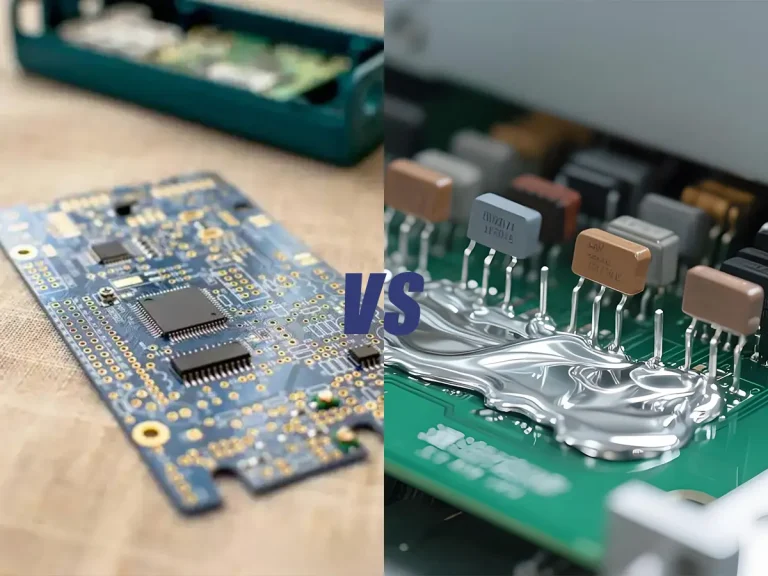
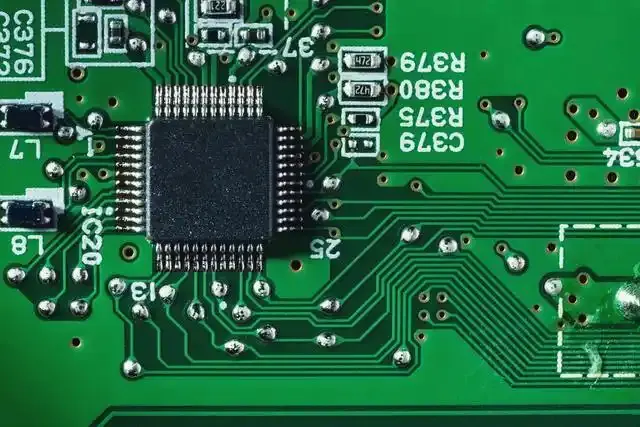
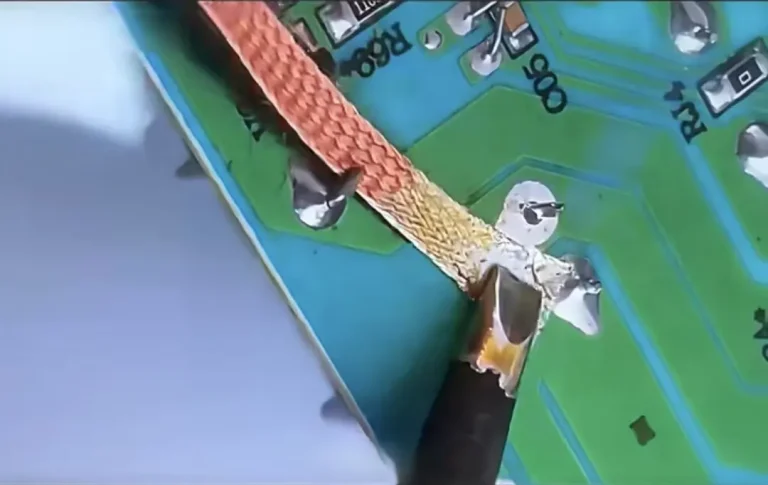
使用吸锡线时,需将铜编织线覆盖在焊点上,用烙铁对其加热,利用毛细作用使熔化的焊料被编织线吸收。只要使用得当,它就能快速去除多余的焊料,同时不会损坏PCB焊盘或元器件引脚。.
本指南介绍了吸锡线的工作原理、何时使用、正确的吸锡技巧,以及如何解决吸锡线无法吸收焊料等常见问题。.
什么是吸锡线?
吸锡线,也称为 焊芯 或 吸锡带, ,是一种编织铜带,用于清除PCB焊盘和元器件引脚上的熔融焊料。.
大多数吸锡线表面都预先涂有一层薄薄的助焊剂,这有助于在加热过程中将焊料从焊点导入铜编织网中。.
与通过吸力去除焊料的吸锡泵不同,吸锡线是通过 毛细作用. 一旦焊料熔化,它就会自然地流入细铜丝中,从而使PCB上的焊料残留更少。.
由于其具有出色的可控性,吸锡线被广泛应用于:
- PCB维修
- 电子产品返工
- 清除多余的焊料
- 清洁焊盘
- 修复焊桥
- 为新元器件准备垫片
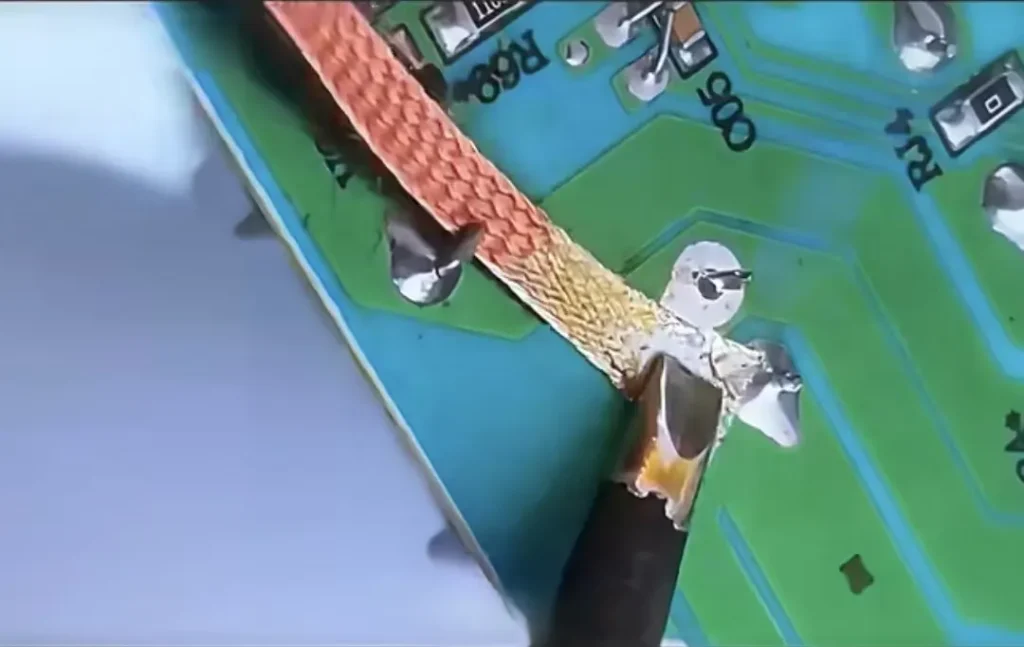
吸锡带是如何工作的?
吸锡线通过以下两种原理去除焊锡:
- 传热
- 毛细现象
当烙铁加热编织线时,热量会通过铜丝传导到焊点。.
一旦焊料达到熔点,熔融的焊料就会在毛细作用下被吸入编织丝中。.
助焊剂通过去除表面氧化物,使焊料更易流动,从而进一步改善了这一工艺。.
为了获得最佳效果,这三个要素必须协同作用:
- 适当的温度
- 清洁铜编织网
- 足够的通量
如果缺少上述任何一个因素,去除焊料就会变得困难得多。.
什么时候应该使用吸锡线?
当精度比速度更重要时,吸锡线是理想的选择。.
常见应用包括:
- 焊接后清除多余焊料
- 消除焊桥
- 在安装新元器件前清洁PCB焊盘
- 使用吸锡泵后清除残留焊料
- 细间距集成电路焊点的修复
- 在PCB组装过程中纠正焊接错误
对于需要精确去除焊料的SMD元件和小型焊点,该方法特别有效。.
所需的工具和材料
开始之前,请准备以下工具:
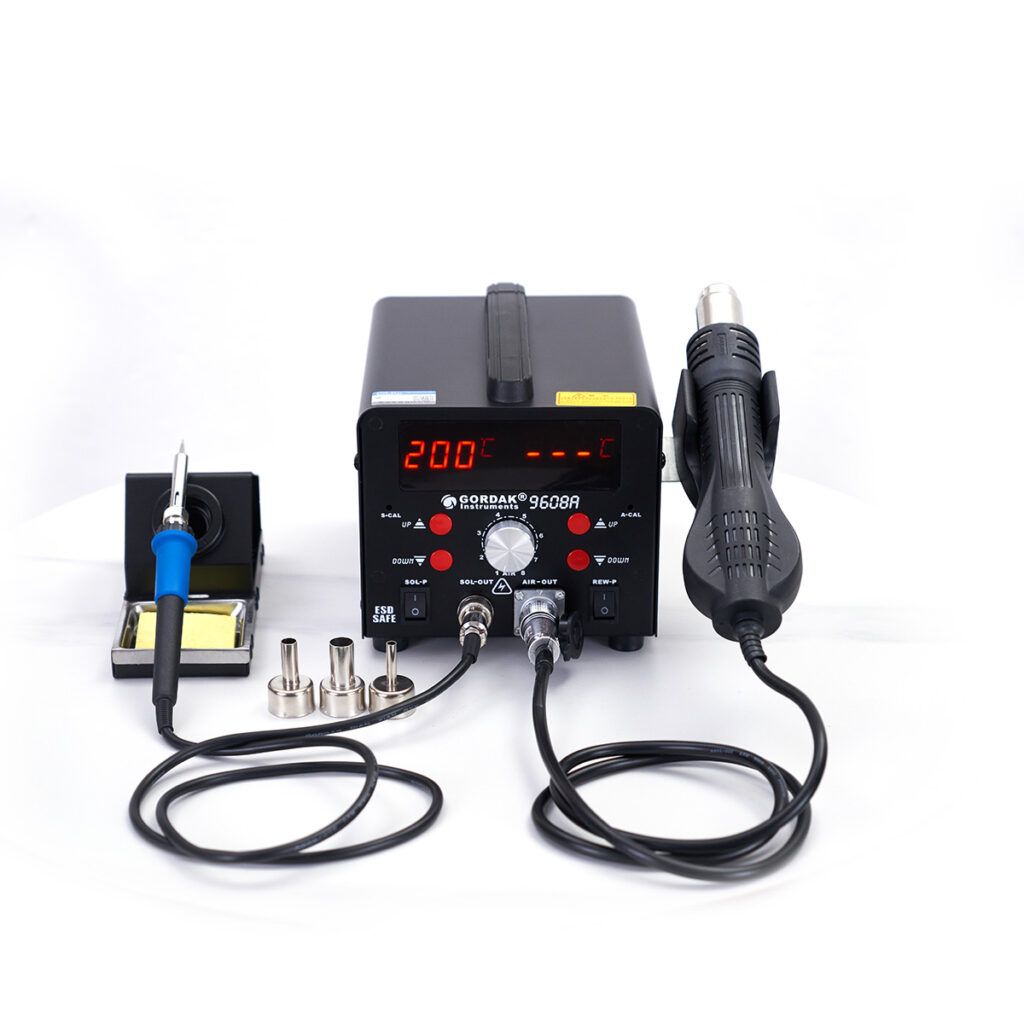
- 恒温烙铁
- 吸锡带
- 松香助焊剂或免清洗助焊剂
- 烙铁架
- 黄铜丝或黄铜海绵
- 用于清洁的异丙醇
- 镊子(可选)
- PCB支架(推荐)
使用带温度控制功能的焊台,可以确保热传导更加均匀,并降低PCB受损的风险。.
如何使用吸锡线——分步指南
步骤 1 – 预热烙铁
将焊台调至适当的温度。.
典型的设置包括:
含铅焊料
320°C-350°C
无铅焊料
350°C–380°C
具体温度取决于焊料合金、PCB的热容量以及焊头尺寸。.
步骤 2 – 涂抹额外的助焊剂
尽管许多吸锡带中都含有助焊剂,但通常在吸锡时涂抹少量新鲜助焊剂,能更好地去除焊料。.
增加助焊剂量会有帮助:
- 减少氧化
- 改善焊料的润湿性
- 提高传热效率
- 加快焊料吸收速度
专业技术人员很少依赖编织层中原本就含有的助焊剂。.
第 3 步——放置吸锡线
将编织线直接放在焊点上方。.
确保它完全覆盖了需要去除的焊料。.
请勿一开始就将烙铁直接放在PCB上。.
正确的顺序是:
烙铁
↓
吸锡带
↓
焊点
这使得热量能够通过编织层高效地传导。.
第 4 步——加热灯芯
将烙铁轻轻按在编织线上。.
几秒钟后,焊料应该开始流入铜编织网中。.
通常你会发现,编织线在吸收熔融焊料时,颜色会发生变化。.
在焊料尚未凝固时,请勿移动编织线。.
第 5 步——取出灯芯并将其熨平
待吸收足够的焊料后,将烙铁和吸锡线同时移开。.
将它们一起取下,有助于防止编织带粘在PCB上。.
切勿在焊料尚未凝固时拉扯编织线,否则可能会导致PCB焊盘翘起。.
第 6 步——切除已使用部分
每次使用后,请将编织绳中吸饱水的那部分剪掉。.
新鲜的铜比已经填满焊料的部位吸收焊料的效果要好得多。.
试图重复使用同一段内容通常会产生不理想的结果。.
为什么我的吸锡线不吸锡?
最常见的沮丧经历之一就是将编织线放在焊点上,却发现没有任何反应。.
这可能由多种因素造成。.
温度太低了
如果焊料从未完全熔化,就无法流入编织层。.
大面积铜箔、多层印制电路板和接地层通常比小信号走线需要更多的散热。.
提高传热效率通常比单纯提高温度更有效。.
助焊剂不够
助焊剂能显著改善焊料的流动性。.
如果焊料无法流入编织网,请先涂抹新的助焊剂,然后再试一次。.
这个简单的步骤通常能立即解决问题。.
灯芯已经用过了
只有未使用的铜编织网才能有效吸收多余的焊料。.
如果辫子已经发白,就剪掉它,然后用新的一缕继续编。.
笔尖被氧化了
脏污或氧化的焊头导热效果不佳。.
在进行退焊之前,请清洁焊头并重新镀锡,以提高热传导效率。.
PCB 具有较高的热质量
大面积铜箔和多层电路板能迅速吸收热量。.
在这些情况下,请使用:
- 更大的焊头
- 更好的传热效果
- 加热时间稍长一些
避免温度过高。.
使用吸锡线时的常见错误
即使使用了正确的工具,如果操作方法不当,也会降低拆焊效率或损坏PCB。请避免这些常见错误,以确保拆焊过程更加干净、安全。.
施加过大的压力
许多初学者会将烙铁紧紧按在编织线上,以为这样能让编织线更快地吸收焊料。.
过高的压力并不能提高传热效率。相反,它可能会:
- 抬起PCB焊盘
- 刮除阻焊层
- 损坏了脆弱的铜线
只需施加轻柔、均匀的压力,让热量发挥作用即可。.
保温时间过长
如果将烙铁长时间停留在同一位置,可能会导致PCB过热。.
长时间加热可能会导致:
- 加高垫片
- 分层
- 部件损坏
- 烧结后的助熔剂残留物
如果焊料在几秒钟内未熔化,请停止操作并查明原因,而不是继续加热。.
反复使用同一段灯芯
一旦编织线的一段被焊料浸透,它就无法再有效吸收焊料了。.
请务必剪掉用过的部分,然后继续使用新的编织线。.
试图重复使用同一段电路通常会浪费时间,并向PCB传递不必要的热量。.
省略额外助焊剂
虽然大多数吸锡带都含有助焊剂,但其含量往往不足以处理老旧或已氧化的焊点。.
在拆焊前添加新鲜松香助焊剂可提高:
- 传热
- 焊料的润湿性
- 吸收速度
这是提高拆焊性能的最简单方法之一。.
使用氧化焊头
变黑或保养不当的加热头无法有效传热。.
退焊前:
- 清洁笔尖
- 如有必要,请去除氧化层
- 涂上一层新的焊料
一个镀锡处理得当的焊头,能更有效地加热编织线和焊点。.
吸锡线与吸锡泵的对比
这两种工具都能去除焊料,但它们的设计用途不同。.
| 特点 | 吸锡带 | 焊料泵 |
|---|---|---|
| 清除方法 | 吸收熔融焊料 | 吸走熔融焊料 |
| 最适合 | 精密加工与SMD元器件 | 焊料体积较大的通孔连接 |
| 准确性 | 非常棒 | 中度 |
| PCB受损的风险 | 使用得当的情况下,其值较低 | 如果用力过猛,数值会略微升高 |
| 清除细小的焊锡残留物 | 非常棒 | 限量版 |
许多技术人员在同一项维修过程中会同时使用这两种工具。.
例如,焊料泵可清除通孔连接处的大部分焊料,而吸锡带则在拆卸元器件前清除剩余的焊料残留物。.
When Should You Use Hot Air Instead?
Desoldering wick is highly effective for removing surface solder, but it is not suitable for every repair.
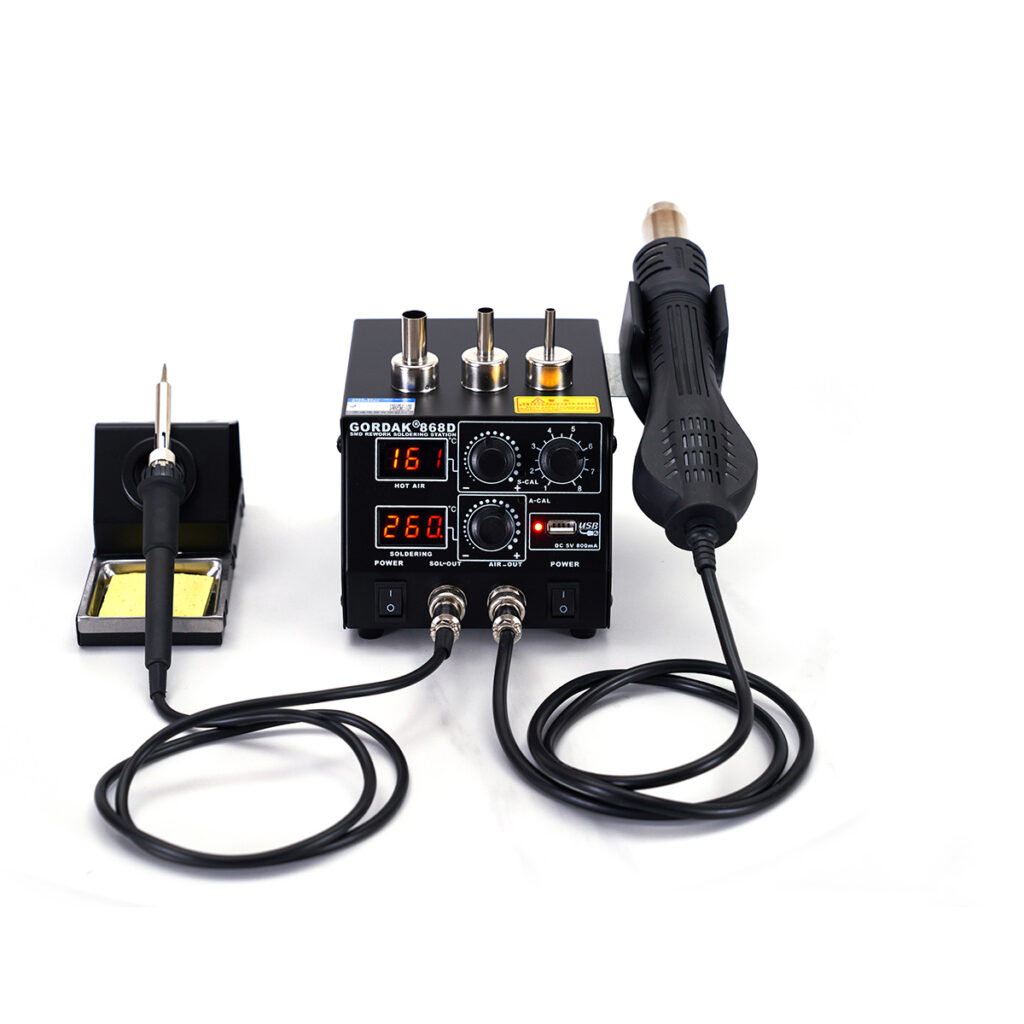
A hot air rework station is often a better choice for components that require multiple solder joints to melt simultaneously.
例如:
- QFN封装
- Large QFP ICs
- Multi-pin connectors
- Shielding covers
- Components with thermal pads underneath
Attempting to remove these components using only desoldering wick can be slow and may increase the risk of PCB damage.
Hot air provides more even heating across the entire component, making removal safer and more efficient.
Professional Tips for Better Desoldering Results
Add Fresh Solder Before Desoldering
This may seem counterintuitive, but experienced technicians often add a small amount of fresh solder before removing old solder.
Fresh solder introduces new flux and improves heat transfer, making older solder easier to remove.
This technique is especially helpful when working with oxidized joints or lead-free solder.
Match the Tip Size to the Joint
A tip that is too small may struggle to deliver enough heat.
For larger pads or ground connections, use a tip with greater contact area to improve thermal transfer.
The correct tip size often has a greater impact on desoldering performance than increasing the temperature.
Use Quality Desoldering Wick
Not all desoldering braid performs the same.
High-quality wick generally features:
- Tightly woven copper braid
- Consistent thickness
- Effective flux coating
Better-quality braid absorbs solder faster and reduces heating time.
固定印刷电路板
Holding the PCB steady makes desoldering more controlled and reduces the risk of accidental movement.
A PCB holder or helping hands tool allows both hands to remain focused on the soldering iron and the braid.
Clean the PCB After Desoldering
Flux residue can attract dust and make inspection more difficult.
After the PCB has cooled, clean the repaired area with isopropyl alcohol and a lint-free swab if your flux requires cleaning.
This leaves the board cleaner and makes it easier to inspect solder joints.
常见问题解答
No. Once a section of braid has absorbed solder, it should be cut off and discarded. Only clean copper braid can effectively absorb additional solder.
Yes. While many desoldering wicks contain flux, applying additional rosin flux usually improves solder flow and makes desoldering easier, especially on oxidized joints or lead-free solder.
This usually happens when the solder cools before the braid is removed. Lift both the soldering iron and the braid away together while the solder is still molten.
Lead-free solder melts at a higher temperature and generally has lower wetting performance than leaded solder. Using fresh flux, stable temperature control, and adequate heat transfer greatly improves removal.
Yes, but only if it is used incorrectly. Applying excessive pressure or heating the same area for too long can lift pads or damage copper traces.
Neither tool is universally better. Desoldering wick offers greater precision for SMD work and cleaning solder residue, while a solder pump is more efficient for removing large amounts of solder from through-hole joints.
结论
Desoldering wick is one of the most effective tools for removing excess solder, cleaning PCB pads, and repairing soldering defects. When combined with proper temperature control, adequate flux, and correct technique, it provides precise solder removal with minimal risk of damaging the PCB.
Understanding how desoldering wick works—and avoiding common mistakes such as insufficient flux, excessive pressure, or prolonged heating—can significantly improve repair efficiency and soldering quality.
如需洽谈OEM/ODM合作或分销事宜,请联系 info@gordakelec.com.