在进行电子产品制作时,选择合适的焊料是您需要做出的最重要的材料选择之一。主要有两种类型: 含铅焊料 和 无铅焊料.
这两种方法各有优缺点,最佳选择取决于您的应用场景、技术水平以及监管要求。.
让我们用一种简单实用的方式来分析一下。.
什么是含铅焊料?
含铅焊料通常含有 锡 (Sn) 和 铅 (Pb). 最常见的公式是:
Sn63/Pb37(63% 63% 锡,37% 37% 铅)
这被称为一个 共晶合金, ,这意味着它在单一温度(183°C)下熔化并凝固。.
含铅焊料的优点
- 熔点较低(约183°C)
- 更易于操作
- 焊料流动顺畅
- 光亮、看起来干净的接缝
- 组件承受的应力较小
- 非常适合初学者
缺点
- 含有有毒的铅
- 在许多国家受到限制(符合RoHS标准)
- 在大多数商业电子产品制造中不允许使用
什么是含铅焊接?
含铅焊接是指使用含有铅(通常还含有锡)的焊料合金将电子元件或导电表面连接在一起的过程。常见的含铅电子焊料包括Sn63/Pb37和Sn60/Pb40。.
含铅焊料因其熔点相对较低且润湿性良好而广为人知。例如,Sn63/Pb37共晶焊料的熔点约为183°C,这使得当焊点达到所需温度时,焊料能够轻松流动。.
这使得在手动电子维修、原型制作以及其他允许使用含铅焊料的应用中,铅焊料的焊接过程相对容易控制。.
然而,含铅焊料中含有铅,因此用户在使用前必须考虑职业安全、操作规范、废弃物处置要求以及相关法规。.
什么是无铅焊料?
无铅焊料用以下金属代替了铅:
- 锡 (Sn)
- 银(Ag)
- 铜(Cu)
一种常见的类型是:
SAC305(96.5% 锡、3% 银、0.5% 铜)
它的熔点较高,通常在 217–220°C.
无铅焊料的优点
- 对环境更安全
- 符合RoHS标准
- 大多数商用电子设备均需配备
- 坚固的机械接头
缺点
- 更高的熔点
- 对初学者来说更难
- 更乏味的联合亮相
- 稍微贵一点
- 部件所受的热应力增大
无铅焊料由什么组成?
无铅焊料并非单一合金,而是一类不刻意将铅作为主要合金元素的焊料合金。大多数电子焊料以锡为基础,通过将锡与其他金属结合,以达到所需的熔化性能、润湿特性、力学性能和可靠性。.
常见的无铅焊料成分包括:
- SAC305: 96.5% 锡、3% 银和 0.5% 铜
- 锡-铜合金: 主要由锡和铜组成,常用于需要采用成本较低的无铅合金的场合
- 其他专用合金: 某些应用中会使用铋、锑或其他合金元素来改变熔融特性或力学性能
SAC305 是电子组装领域应用最广泛的无铅合金之一。其熔点范围通常在 217–220°C 左右,高于 Sn63/Pb37 共晶焊料的 183°C 熔点。.
确切的成分至关重要,因为不同的无铅焊料合金其熔化特性可能存在显著差异。因此,应始终根据具体的焊料合金及制造商的建议来选择焊接温度。.
主要区别一览
| 因子 | 含铅焊料 | 无铅焊料 |
|---|---|---|
| 典型合金 | Sn63/Pb37 | SAC305及其他锡基合金 |
| 熔融行为 | 较低 | 通常较高 |
| 典型熔点 | Sn63/Pb37 为 183°C | SAC305的温度约为217–220°C |
| 手工焊接 | 通常来说更容易 | 需要加强工艺控制 |
| 润湿 | 通常来说更容易 | 对工艺条件更敏感 |
| 喷嘴温度 | 通常较低 | 通常较高 |
| 联合亮相 | 通常明亮而闪亮 | 通常更哑光 |
| 铅含量 | 含铅 | 无意中含铅 |
| 符合RoHS标准 | 在许多应用中受限 | 符合RoHS标准的电子产品的常见选择 |
| 常见用途 | 维修、老旧电子设备、允许的应用场景 | 商用电子产品制造及受监管的应用领域 |
含铅焊料与无铅焊料:该选哪一种?
在进行维修工作时,还需考虑PCB上现有的焊料合金。合金的混合可能会改变焊点的熔化和润湿特性,因此技术人员在返工前应了解原始焊料以及更换工艺的要求。.
哪种焊料更好取决于具体应用场景,并没有哪一种焊料是放之四海皆准的。.
在以下情况下应选择含铅焊料:
您正在维修一些较旧的电子设备,这些设备最初是用含铅焊料组装的
您正在从事法律允许使用含铅焊料的事业,例如业余爱好或原型制作
您希望手动焊接更轻松,且熔点更低
您的申请无需符合无铅要求
在以下情况下,请选择无铅焊料:
您正在生产受铅含量限制的电子产品
您的产品必须符合适用的RoHS要求
贵公司正在为需要无铅材料的市场生产商用电子产品
环境和材料合规性是产品规格的一部分
温度方面的注意事项
由于无铅焊料的熔点较高,通常需要:
- 含铅焊料: 320–350°C 熨烫设置
- 无铅焊料 350–380°C 熨烫设置
使用不正确的温度可能会导致:
- 冷接头
- 垫片提升
- 部件损坏
在使用无铅材料时,精确的温度控制显得尤为重要。.
为什么无铅焊料更难焊接?
在手工焊接过程中,无铅焊料可能感觉更难操作,因为许多常用的无铅合金所需的温度比共晶锡铅焊料更高。.
例如,Sn63/Pb37的熔点约为183°C,而SAC305的熔点通常在217–220°C左右。熔点范围较宽意味着,焊接系统必须向焊点提供足够的热量,同时避免使周围的PCB或元器件过热。.
初学者在从含铅焊料切换到无铅焊料时,可能会注意到以下几点区别:
焊料可能需要加热到更高温度才能正常流动。.
在较高的工作温度下,助焊剂的消耗速度会加快。.
温度控制变得越来越重要。.
焊点的外观可能更显哑光。.
传热不良可能会导致润湿不完全或出现冷接缝。.
这些差异并不意味着无铅焊料不适合手工焊接。只要使用控制得当的焊接工作站、合适的焊头、适当的助焊剂以及正确的焊接技术,就能获得可靠的焊接效果。.
外观上的差异
一个常见的担忧:
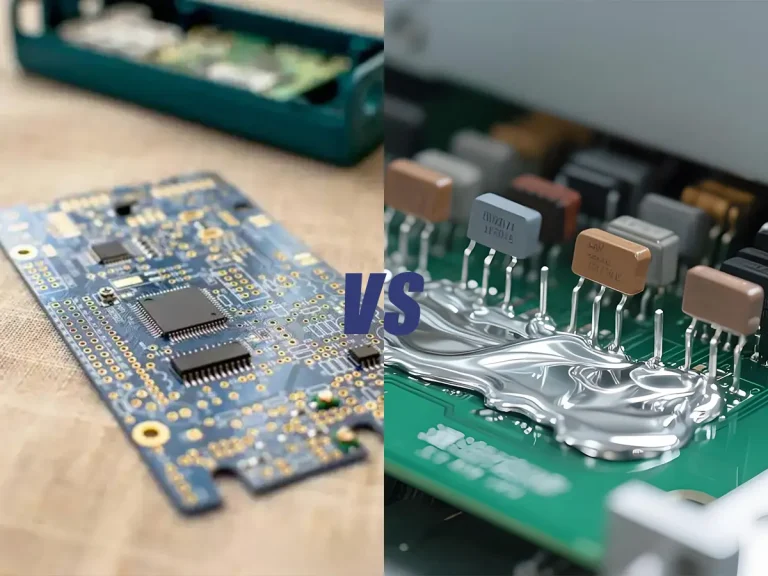
含铅焊点的样貌 明亮而闪亮, ,而无铅焊点则呈现出 哑光或无光泽.
这并不一定意味着无铅焊点质量差——它只是具有不同的物理特性。.
安全提示
无论使用何种焊料:
- 在通风良好的地方作业
- 如果可能的话,请使用排烟装置
- 操作焊料后请洗手
- 避免直接接触烟雾
即使是无铅焊料,其中也含有助焊剂烟雾,不应吸入。.
最终想法
含铅焊料和无铅焊料在电子工作中都有其用武之地。.
- 含铅焊料 使用起来更方便,非常适合维修和手工制作。.
- 无铅焊料 对环境更安全,且是现代商业制造所必需的。.
您的选择应根据项目类型、监管要求以及您的经验水平来决定。.
无论使用哪种焊料,正确的温度控制和操作技巧都是形成干净、可靠焊点的关键。.
如有其他问题,请通过以下方式联系我们: info@gordakelec.com.
常见问题解答
在许多手工焊接应用中,含铅焊料更易于操作,因为常用的锡铅合金熔点较低,且通常具有良好的润湿性。.
Sn63/Pb37共晶焊料的熔点约为183°C。烙铁的工作温度通常会高于该合金的熔点,因为焊点必须获得足够的热量才能实现有效的焊接。.
答案取决于合金的种类。SAC305作为最常见的无铅电子焊料之一,其熔点范围约为217–220°C。.
大多数无铅电子焊料都是锡基合金。例如,SAC305 含有 96.5% 锡、3% 银和 0.5% 铜。.
两者都没有绝对的优劣之分。当相关法规和产品要求限制含铅量时,通常更倾向于使用无铅焊料,或者必须使用无铅焊料;而在允许的维修、业余爱好以及老旧电子设备应用中,含铅焊料可能更易于使用。.