焊接和钎焊是金属加工领域的两种常用技术。虽然这两种工艺都用于将两块或多块金属连接在一起,但它们之间存在明显的差异。本文旨在探讨和强调焊接与钎焊之间的不同之处,阐明它们各自的特点。
1.连接机制
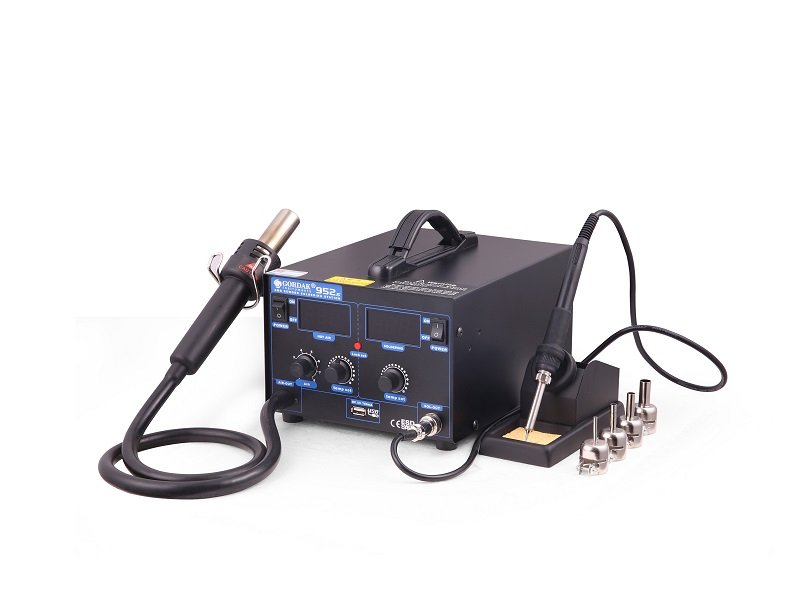
焊接与钎焊的根本区别之一在于它们的连接机制。焊接涉及熔化贱金属并添加填充材料,从而在两块金属之间形成牢固的结合。这是通过高温和强热实现的,通常由电弧或气体火焰产生。另一方面,焊接则是通过熔化一种熔点较低的金属合金(称为焊料)来连接金属件,这种合金可用作粘接剂。焊料通常使用烙铁加热,以确保贱金属不会熔化。
2.强度和耐久性
与焊接接头相比,焊接接头通常被认为更坚固耐用。这主要是由于焊接时采用了较高的温度,从而使贱金属熔化。焊接过程中发生的熔合产生的粘合力能够承受更大的机械应力和负载。另一方面,焊接接头相对较弱,在重负荷下更容易失效。因此,在较轻的应用或需要导电性的情况下,焊接通常是首选。
3.适用性和多功能性
焊接因其卓越的强度和耐用性,被广泛应用于建筑、汽车和航空航天等各行各业。它尤其适用于连接厚重的金属部件。此外,焊接还可用于连接不同类型的金属,如钢、铝和不锈钢。相反,焊接通常用于电子、管道和珠宝制造等需要精密和精细连接的领域。焊接在连接电路和铜管等小型或薄型金属部件时最为有效。
4.供热要求
与焊接相比,焊接通常需要更高的热量。焊接过程涉及的温度从几百摄氏度到几千摄氏度不等,具体取决于所使用的焊接技术类型。这种高热要求对于熔化母材和填充材料至关重要。相比之下,焊接的操作温度较低,通常低于 450 摄氏度,以便熔化焊接材料而不影响基底金属。这种较低的热需求使焊接更适合对高温敏感的精密元件。
Welding vs Soldering: Key Differences
| Factor | Welding | Soldering |
|---|---|---|
| Joining mechanism | Melts and fuses the base materials | Melts a filler metal to join the base materials |
| Base metal | Usually melted during the process | Normally remains solid |
| 温度 | Very high | Much lower than welding |
| Joint strength | Generally higher | Generally lower |
| Typical applications | Construction, automotive, structural fabrication, heavy machinery | Electronics, PCB assembly, plumbing, jewelry, small metal connections |
| Component size | Suitable for thicker and heavier materials | Suitable for small, thin, or heat-sensitive components |
| Electrical connections | Not typically the first choice | Widely used |
| Reworkability | Usually difficult to reverse | Solder joints can generally be reheated and reworked |
| Equipment | Welding power source, torch/electrode, protective equipment | Soldering iron, hot air station, torch, or other controlled heat source |
| Heat impact | Higher risk of thermal distortion | Lower thermal impact on the base materials |
Is Soldering the Same as Welding?
No. Although both soldering and welding join two or more materials using heat, they use different joining mechanisms.
In soldering, the solder melts and flows between the parts while the base materials normally remain solid. In welding, the base materials themselves are heated to the point where they melt and fuse together, often with additional filler material.
The difference affects joint strength, operating temperature, equipment, and suitable applications.
For example, soldering is widely used for PCB assembly and electrical connections, while welding is commonly selected for structural metal fabrication where higher mechanical strength is required.
In simple terms: soldering joins materials with a melted filler metal, while welding generally joins materials by melting and fusing the base materials themselves.
Which Is Stronger, Welding or Soldering?
In general, welding produces a stronger mechanical joint than soldering because welding can fuse the base materials themselves.
Soldering relies on a filler metal to create the connection, so the joint generally has lower mechanical strength than a properly executed weld.
However, stronger does not automatically mean better.
Soldering is often the better choice when the application requires:
- Electrical conductivity
- Low-temperature joining
- Minimal thermal distortion
- Precise connections
- Easy rework or repair
- Joining small electronic components
Welding is more appropriate when the joint must withstand significant mechanical loads, high temperatures, or structural stresses.
The right process depends on the application rather than joint strength alone.
When Should You Use Soldering Instead of Welding?
Choose soldering when the application requires a low-temperature joining process and the base materials should remain largely unaffected by heat.
Soldering is particularly suitable for:
Electronics and PCB Assembly
Soldering is the standard joining method for many electronic components because it can create both mechanical and electrical connections without melting the PCB or component leads.
Small and Thin Metal Parts
Soldering can be useful when the materials are small, thin, or sensitive to the high temperatures associated with welding.
Electrical Connections
Solder provides an electrically conductive connection, making soldering widely used for wires, terminals, PCB components, and electronic assemblies.
Applications Requiring Rework
Unlike many welded joints, soldered connections can generally be reheated and corrected. This makes soldering particularly useful during electronics repair and prototyping.
Joining Dissimilar Metals
Depending on the materials and solder alloy used, soldering can join certain dissimilar metals without melting the base materials.
When Should You Use Welding Instead of Soldering?
Welding is generally preferred when the joint must withstand significant mechanical stress, high temperatures, or structural loads.
Typical welding applications include:
- Structural metal fabrication
- Automotive components
- Heavy machinery
- Construction
- Industrial equipment
- Metal frameworks
- Load-bearing assemblies
If the primary requirement is structural strength rather than electrical connection or low-temperature joining, welding is usually the more appropriate process.
Soldering vs Welding for Electronics
For electronics, soldering is generally the preferred joining method because electronic components and PCBs require controlled heat and electrically conductive connections rather than structural fusion.
Soldering is commonly used for:
- PCB component assembly
- Wire and cable connections
- Connectors and terminals
- Through-hole components
- Surface-mount devices
- Electronic repair and rework
Welding is generally not used to attach conventional electronic components to a PCB because the temperatures and joining mechanism can damage the board or components.
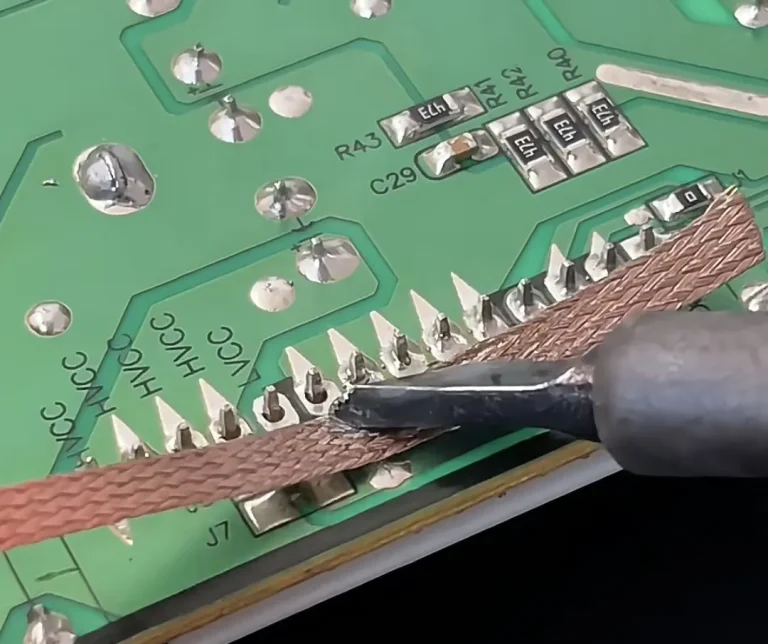
For SMD repair, technicians may use a soldering iron, hot air rework station, or both, depending on the component package and repair task.
Welding vs Soldering vs Brazing
Welding, soldering, and brazing all use heat to join materials, but they differ mainly in how the joint is formed and the temperature involved.
| Process | Base Material Melted? | Filler Metal | Typical Temperature | 常见应用 |
|---|---|---|---|---|
| Welding | 是 | Often | Very high | Structural and heavy-duty metal fabrication |
| Brazing | No | 是 | Above 450°C | Metal assemblies and dissimilar-metal joining |
| Soldering | No | 是 | Below 450°C | Electronics, PCB assembly, plumbing, and small metal connections |
The key distinction is that welding generally involves melting the base materials, while soldering and brazing use a melted filler metal without melting the base materials.
This is also where you can explain that brazing occupies a middle ground in terms of joining temperature.
Soldering or Welding: Which Should You Choose?
| If you need… | Choose… |
|---|---|
| PCB or electronic connections | Soldering |
| Electrical conductivity | Soldering |
| Low-temperature joining | Soldering |
| Easy repair or rework | Soldering |
| Structural strength | Welding |
| Load-bearing joints | Welding |
| Heavy metal fabrication | Welding |
| High mechanical stress resistance | Welding |
For electronics and PCB work, soldering is normally the appropriate choice. For structural metal fabrication, welding is generally more suitable.
结论
总之,焊接和钎焊是不同的工艺,各有特点。这些差异延伸到它们的连接机制、强度和耐用性、适用性和热量要求。了解了焊接和钎焊的不同之处,专业人员就可以根据具体应用选择合适的方法,确保高效可靠地连接金属元件。