焊接是一个非常重要的过程,要想获得最佳的焊接效果,在您将材料放在工作台上之前就已经开始了。幸运的是,我们友好的专家已经概述了您需要了解的有关烙铁和焊枪的一些主要知识;希望这能帮助您找到适合您需要的设备,无论您的需要是什么。
Soldering Iron vs Soldering Gun: Key Differences
The main difference between a soldering iron and a soldering gun is how they deliver heat and how much control they provide during soldering. A soldering iron is generally better suited to precision electronics work, while a soldering gun is more useful for larger joints, heavy wires, and applications that require higher heat output.
| 特点 | 烙铁 | 焊枪 |
|---|---|---|
| Typical application | PCB and electronics repair | Heavy-duty soldering |
| Heat delivery | Heated tip | High-current heating element or tip |
| 精度 | 高 | 较低 |
| 温度控制 | Available on many models | Often more limited on traditional models |
| Tip size | Wide range | Generally larger |
| Best for | SMD and through-hole components | Thick wires and large joints |
| Heat output | Low to high, depending on model | Generally high |
| Continuous precision work | Well suited | Less convenient |
| PCB repair | Generally preferred | Suitable only for certain applications |
For electronics repair, the important consideration is not simply which tool produces more heat. Temperature control, tip geometry, thermal recovery, and the size of the workpiece all affect soldering performance.
烙铁与焊枪:有什么区别?
烙铁和焊枪看似相似,但实际上却有几大不同之处,您应该有所了解。烙铁是一种小型的单手操作设备,由于其较小的设计和出色的多功能性,可用于需要更精确工作的应用。相比之下,焊枪是一种较大的设备,采用手持式设计,更类似于电钻或驱动器。
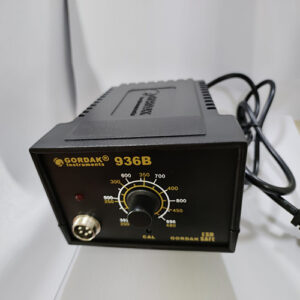
哪个更好?烙铁还是焊枪?
烙铁和焊枪都具有一系列优点,但值得注意的是,两者的设计用途截然不同。
烙铁是一种更传统的选择,其流线型的棒状设计可能使其更容易在较小的空间内使用,并能进行更精确的工作。烙铁的重量也比焊枪轻得多,而且保热时间更长。因此,如果您可能需要一种能够长期使用和解决问题的工具,烙铁可能能够保持更长时间的热量而无需重新加热。
相比之下,虽然焊枪使用起来会比较笨重,而且可能需要重新加热,但它们确实有很多优点。首先,焊枪的功率往往比烙铁大得多,因此与传统的烙铁相比,焊枪适用于重型工作。此外,焊枪几乎可以瞬时加热和冷却,这提供了一种更快速的选择,并有可能有助于防止将热烙铁随意放置而造成的伤害等;瞬时冷却也很有帮助。不过,我们应该强调的是,这确实意味着焊枪与烙铁相比保持高温的时间较短,因此可能需要偶尔重新加热。
Can You Use a Soldering Gun for PCB Soldering?
A soldering gun can be used for some PCB soldering tasks, but it is generally not the preferred tool for precision PCB work. Traditional soldering guns are designed to deliver high heat output and are better suited to large solder joints, thick wires, and other applications with high thermal mass.
For PCB repair, a temperature-controlled soldering iron usually provides better control over the amount of heat delivered to an individual solder joint. This is especially important when working near small components, fine traces, and heat-sensitive parts.
A soldering iron is generally the better choice for:
- SMD components
- Through-hole components
- Fine-pitch connections
- Small PCB pads
- Electronic components
- Precision PCB repair
A soldering gun can be useful when a PCB contains unusually large solder joints or heavy wires that require substantial heat transfer. However, using excessive heat simply because a soldering gun is available can increase the risk of overheating pads, components, or nearby areas of the board.
The key is to match the tool to the thermal requirements of the joint rather than choosing the highest-powered tool available.
Is Higher Wattage Better for Soldering?
Higher wattage does not automatically mean better soldering performance. Soldering power determines how much electrical power a tool can deliver, but the actual soldering result also depends on temperature regulation, tip design, thermal recovery, and the thermal mass of the workpiece.
For small electronic components, excessive power can make heat control more difficult if the tool does not regulate temperature effectively. For large connectors, heavy wires, or large copper areas, however, a higher-power soldering tool can provide the thermal recovery needed to maintain the required working temperature.
In practice:
- Low thermal mass: prioritize precision and temperature control.
- Large copper areas: prioritize thermal recovery and suitable tip size.
- Heavy wires: higher power may be beneficial.
- Fine-pitch PCB work: temperature stability and control are more important than maximum wattage.
This means that soldering iron wattage should be considered together with temperature control and application requirements rather than used as the only measure of performance.
Soldering Iron vs Soldering Station vs Soldering Gun
A soldering iron, soldering station, and soldering gun are not interchangeable tools. Although all three can melt solder, they are designed for different levels of control and different applications.
烙铁
A basic soldering iron consists of a heated handle and soldering tip. It is suitable for simple soldering tasks, wires, connectors, and basic electronics repair.
焊接站
A temperature-controlled soldering station provides a separate control unit that regulates the temperature of the soldering iron. This makes it better suited to precision electronics work, PCB assembly, and repeated soldering tasks.
焊枪
A traditional soldering gun is designed for applications that require higher heat output. It is commonly used for larger wires, terminals, and heavy-duty solder joints rather than fine PCB work.
For professional electronics repair, a temperature-controlled soldering station is often the most versatile choice because it provides greater control over temperature and heat delivery.
If you want to understand the differences in greater detail, see our guide to soldering iron vs soldering station.
Which Is Better for SMD and Through-Hole Soldering?
The best soldering tool depends on the component type, joint size, and thermal requirements of the PCB.
Soldering Tools for SMD Components
For SMD components, a temperature-controlled soldering iron is generally more suitable than a traditional soldering gun. Its smaller tip and adjustable temperature make it easier to control heat around compact components.
For more complex SMD packages, such as multi-pin ICs, QFPs, QFNs, and other components with difficult-to-access solder joints, a hot air rework station may be more appropriate.
Soldering Tools for Through-Hole Components
Through-hole components generally provide more accessible solder joints, making them suitable for soldering irons. However, large connectors, terminals, and components connected to large copper areas may require a higher-power iron or another tool capable of delivering more thermal energy.
The important factor is therefore not simply whether a component is SMD or through-hole. The size of the joint, PCB thermal mass, component sensitivity, and required heat transfer should also be considered.
How Tip Size and Temperature Control Affect Soldering
Tool selection is only part of the equation. The soldering tip and temperature settings also have a major effect on heat transfer and soldering efficiency.
Soldering Iron Tip Size
A small tip provides better access to compact solder joints, while a larger tip can transfer heat more effectively to larger joints and high-thermal-mass areas.
Using an unnecessarily small tip on a large copper pad may require longer heating time. Conversely, an oversized tip can make precision work more difficult.
The goal is to use a tip that provides enough contact area for efficient heat transfer without interfering with nearby components.
温度控制
Temperature control is particularly important when working with modern PCBs and lead-free solder. The correct working temperature depends on the solder alloy, component, PCB structure, and thermal mass.
Using excessive temperature can increase the risk of:
- PCB pad lifting
- Component damage
- Flux degradation
- Tip oxidation
- Solder mask damage
For more information about temperature selection, see our guide to the best soldering temperature for PCB work.
ESD and PCB Safety Considerations
When working on electronic circuits, heat is not the only consideration. Electrostatic discharge (ESD) can also damage sensitive semiconductor devices.
Components such as ICs, microcontrollers, MOSFETs, and sensors may be sensitive to electrostatic discharge. For this reason, professional electronics repair environments should use appropriate ESD control practices.
Depending on the application, these may include:
- ESD-safe soldering equipment
- Proper equipment grounding
- ESD wrist straps
- ESD work surfaces
- Proper handling and storage of sensitive components
A soldering tool should therefore be evaluated not only by its heating performance but also by whether it is appropriate for the electronic environment in which it will be used.
哪种方式适合我?
考虑到上述因素,对于那些需要轻便、精确的焊接工具的人来说,烙铁往往是更好的选择。然而,在许多情况下,焊枪因其瞬间冷却和更符合人体工程学的操作方式而更为强大和实用,因此这些选项是许多人的理想选择。不过,如果您不能完全确定哪种选择适合您的需求,请务必联系专业焊接设备供应商,看看他们能否提供帮助。
最终想法
如果你想开始焊接工作,确保必要的设备到位至关重要。幸运的是,今天的简要指南概述了您应该了解的有关烙铁和焊枪的一些主要知识;这应该有助于您决定哪种工具最适合您的需要。如果您有其他问题,请通过以下方式联系我们 info@gordakelec.com。