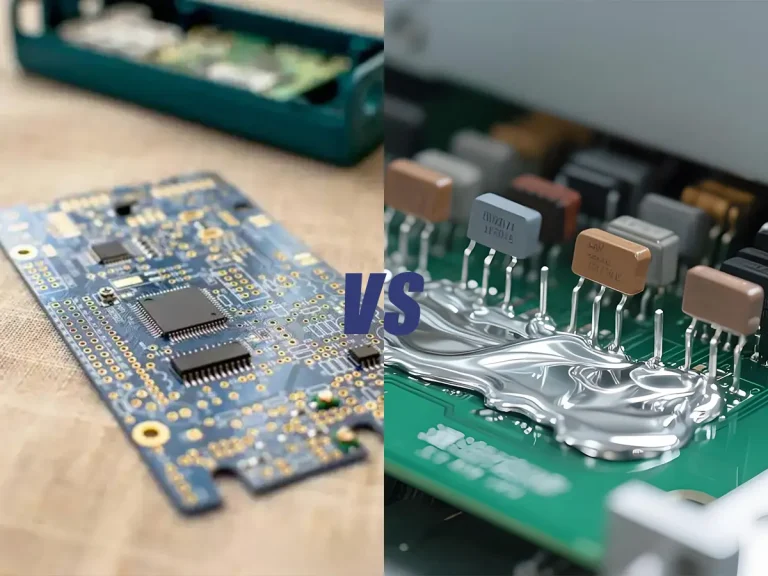
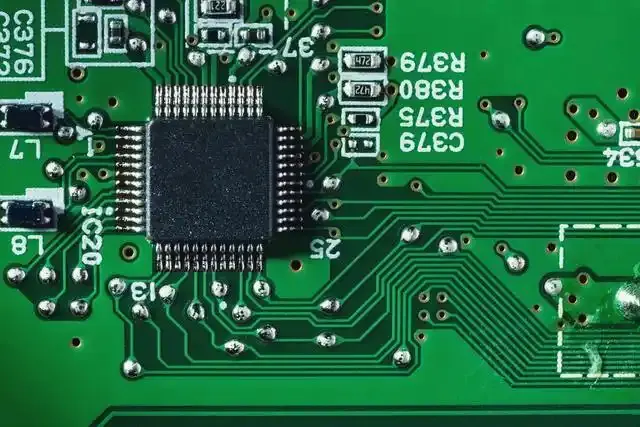
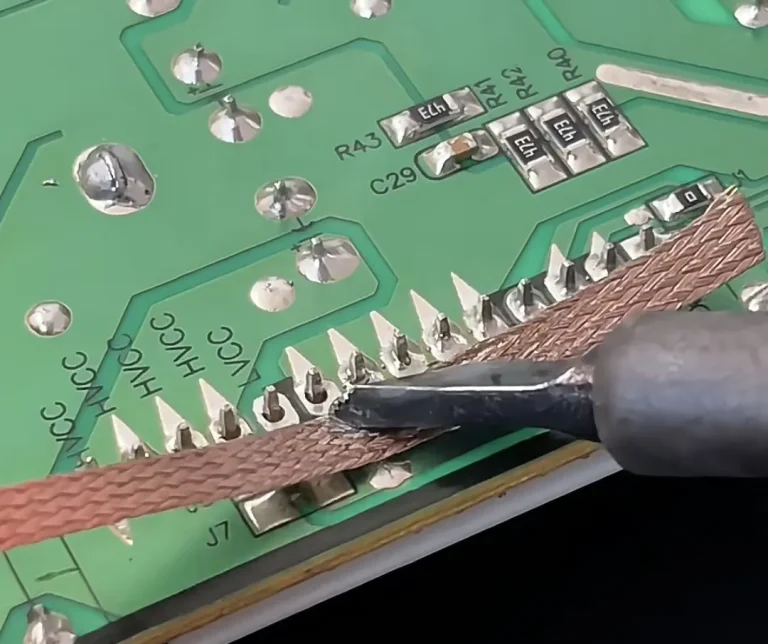
A soldering station is an essential tool for assembling, repairing, and reworking electronic components on printed circuit boards (PCBs). Unlike a basic soldering iron, a soldering station includes a separate control unit that allows precise adjustment of the soldering temperature.
Soldering stations are widely used in PCB assembly lines, electronic manufacturing plants, and service centers for repairing and maintaining circuit boards. By maintaining consistent and accurate temperatures, they ensure high-quality solder joints and help prevent damage to sensitive components.
What Is a Soldering Station?
A soldering station is an electronic soldering tool that combines a temperature-controlled power unit with a soldering iron or handpiece. Unlike a basic soldering iron with limited temperature control, a soldering station allows users to adjust and maintain the tip temperature for different soldering applications.
A typical soldering station consists of a control unit, soldering handpiece, heating element, soldering tip, and power connection. Depending on the model, it may also include features such as digital temperature control, ESD protection, sleep mode, automatic shutoff, and multiple tip options.
For electronics work, a good soldering station should provide stable temperature control, sufficient power, fast thermal recovery, and suitable soldering tips for the components and PCB assemblies you work with.
Soldering Station vs. Soldering Iron
A soldering iron and a soldering station can both melt solder, but they are designed for different levels of control and flexibility.
| Feature | Soldering Iron | Soldering Station |
|---|---|---|
| Temperature control | Basic or fixed on some models | Adjustable and controlled |
| Temperature stability | Depends on the design | Generally more stable |
| Thermal recovery | Varies | Typically designed for repeated heat recovery |
| Tip selection | Often limited | Usually supports multiple tip types |
| ESD protection | Model dependent | Common on electronics-focused stations |
| Continuous work | Suitable for simple jobs | Better suited to extended work |
| Electronics repair | Suitable for basic tasks | Better for demanding PCB work |
For occasional soldering of simple joints, a basic soldering iron may be sufficient. A soldering station becomes more useful when you need precise temperature control, interchangeable tips, better thermal recovery, or consistent performance across different electronics applications.
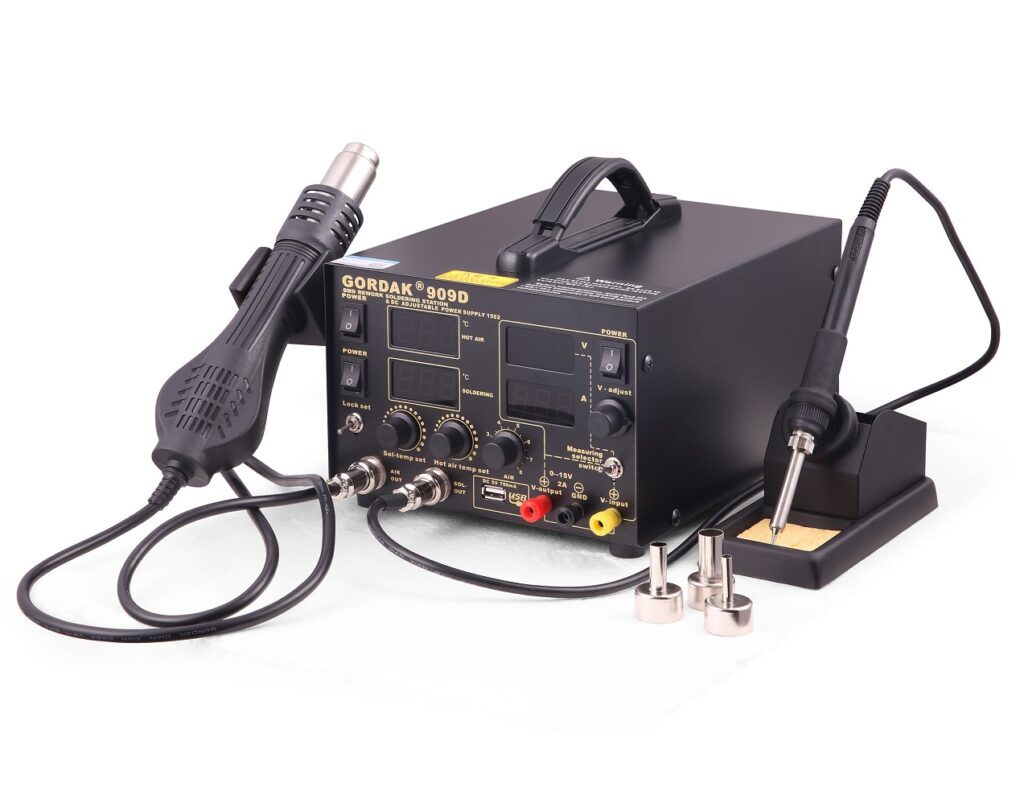
What Makes a Good Soldering Station?
A good soldering station for electronics should do more than reach a high temperature. It should maintain the selected temperature accurately, recover heat quickly when the tip contacts the workpiece, and provide the right combination of power, tip compatibility, safety, and ergonomics for your application.
The most important factors include:
- Temperature stability for consistent soldering
- Sufficient power for different thermal loads
- Fast thermal recovery when the tip loses heat
- Suitable soldering tips for different component sizes
- ESD protection for sensitive electronic components
- Fast heat-up time for efficient workflow
- Comfortable handpiece design for extended use
- Reliable replacement tips and accessories
A station with the highest temperature range or wattage is not automatically the best choice. For electronics work, the overall thermal performance and usability matter more than a single specification.
Key Factors to Consider When Choosing a Soldering Station
Temperature Control and Stability
Temperature control is one of the most important factors when choosing a soldering station for electronics.
A station should maintain a relatively stable tip temperature during soldering rather than simply reaching a high maximum temperature. When the tip contacts a PCB pad or component, it transfers heat to the workpiece and its temperature can drop. A well-designed station detects the temperature change and supplies additional power to restore the target temperature.
Stable temperature control helps provide more consistent soldering results and reduces the need to compensate manually by increasing the temperature or extending heating time.
When comparing stations, consider both the temperature adjustment system and the station’s ability to maintain temperature under actual soldering conditions.
Wattage and Power
Wattage indicates how much electrical power a soldering station can deliver, but higher wattage does not automatically mean better soldering performance.
The required power depends on the thermal load of the application. Small electronic components may require relatively little heat, while large copper areas, ground planes, connectors, and other thermally demanding workpieces can draw heat away from the soldering tip more quickly.
Instead of choosing a station based only on its wattage rating, consider how effectively it transfers and recovers heat during actual soldering.
For electronics work, a well-designed station with good thermal recovery can be more useful than simply choosing the station with the highest advertised wattage.
Thermal Recovery
Thermal recovery describes how quickly a soldering station restores the soldering tip to its target temperature after the tip loses heat during soldering.
This becomes especially important when working with:
- Large copper pads
- Ground planes
- Thick PCB traces
- Large connectors
- Multilayer PCBs
- High thermal-mass components
For example, when a hot tip contacts a large copper area, heat moves from the tip into the workpiece. The tip temperature may temporarily decrease. A station with strong thermal recovery can deliver additional power quickly and bring the tip back toward the target temperature.
For demanding electronics work, thermal recovery can be more meaningful than maximum temperature alone.
Heat-Up Time
Heat-up time refers to how long the soldering station takes to reach the selected working temperature after startup.
A shorter heat-up time can improve workflow efficiency, particularly in repair environments where the station is frequently switched on and off.
However, heat-up speed should not be considered independently from temperature stability and thermal recovery. A station that heats quickly but struggles to maintain its temperature under load may not provide better real-world performance.
When comparing soldering stations, consider:
- Time to reach working temperature
- Temperature stability after startup
- Recovery speed during soldering
- Performance under different thermal loads
Soldering Tip Compatibility
The soldering tip system is an important factor that buyers often overlook.
Different soldering jobs require different tip shapes and sizes. Fine tips can provide better access to small SMD components, while chisel and bevel tips can transfer heat efficiently to larger pads and component leads.
Before purchasing a soldering station, check:
- Available tip shapes
- Tip sizes
- Replacement tip availability
- Tip replacement cost
- Tip heating technology
- Compatibility with your intended applications
A station may offer excellent temperature control, but limited tip availability can make it less practical for long-term use.
Temperature Range
A wide temperature range gives you flexibility, but maximum temperature should not be the primary factor when choosing a soldering station.
Different soldering applications require different temperatures depending on the solder alloy, component, PCB, and application.
A useful soldering station should provide:
- Adjustable temperature
- Clear temperature display or control
- Stable temperature regulation
- Appropriate temperature settings for your applications
For electronics work, precise control within the normal working range is generally more important than having an extremely high maximum temperature.
Ergonomics and Handpiece Design
If you use a soldering station for several hours, the handpiece can have a significant impact on comfort and productivity.
Consider:
- Handpiece weight
- Grip design
- Balance
- Cable flexibility
- Distance between the grip and soldering tip
- Ease of tip replacement
A lightweight, well-balanced handpiece can reduce hand fatigue during repetitive soldering work.
For professional technicians and frequent hobbyists, ergonomics should be considered alongside electrical specifications.
Types of Soldering Stations
1. Analog vs. Digital Soldering Stations
Soldering stations are generally available in analog and digital versions.
- Analog Soldering Stations
These use a simple control knob to increase or decrease temperature. However, they lack a digital display, so the exact temperature setting cannot be seen. While less precise, analog soldering stations are affordable and reliable — ideal for basic repair work, such as mobile phone or small appliance repair. - Digital Soldering Stations
Digital stations feature electronic temperature control and a digital display that shows both the set and actual temperatures. This allows for more accurate and consistent soldering performance. Although typically priced higher than analog units, their precision and convenience make them the preferred choice for professional use and precision soldering tasks.
2. ESD-Safe vs. Non-ESD Soldering Station
Another key consideration when choosing a soldering station is whether it’s ESD-safe (Electrostatic Discharge Safe).
- ESD-Safe Soldering Stations
ESD-safe models are designed to prevent the buildup of static electricity. They use special conductive materials and grounding methods to discharge excess electrical energy safely into the ground. This protection is essential when working with modern electronic devices, especially SMD components, ICs, and semiconductors, which are extremely sensitive to static discharge. - Non-ESD Soldering Stations
These lack static protection and are suitable only for working on less-sensitive electronics. For advanced electronics and smartphone repairs, ESD-safe soldering stations are strongly recommended.
What Is the Best Soldering Station for Different Users?
There is no single soldering station that is best for every user. The right choice depends on your experience, the components you work with, how frequently you solder, and the type of PCB work you perform.
Best Soldering Station for Beginners
For beginners, ease of use should generally be more important than advanced features.
Look for:
- Simple temperature adjustment
- Stable temperature control
- Easy-to-replace tips
- Comfortable handpiece
- Basic safety features
- Reasonable operating cost
A beginner does not necessarily need the most powerful or expensive station. A reliable temperature-controlled station can provide a better foundation for learning proper soldering techniques.
Best Soldering Station for Hobbyists
Hobbyists usually benefit from a versatile station that can handle different types of electronics work.
Important features include:
- Multiple tip options
- Adjustable temperature
- Good thermal recovery
- Comfortable handpiece
- ESD protection
- Easy maintenance
If you work on both through-hole and SMD electronics, tip versatility becomes particularly important.
Best Soldering Station for PCB Repair
PCB repair often involves different component sizes and varying thermal loads.
A suitable station should provide:
- Stable temperature control
- Strong thermal recovery
- Multiple tip sizes
- ESD protection
- Reliable long-term operation
- Comfortable handling
Large copper areas and ground planes can remove heat quickly, so thermal performance is particularly important for PCB repair.
Best Soldering Station for SMD Electronics
SMD soldering often requires precise access to small pads and components.
Look for:
- Fine soldering tips
- Precise temperature control
- Fast thermal recovery
- Lightweight handpiece
- Good visibility and tip control
- ESD protection
For very small components, tip geometry can be just as important as the station itself.
Best Soldering Station for Professional Use
Professional technicians should consider long-term reliability and workflow efficiency in addition to basic soldering performance.
Important factors include:
- Temperature stability
- Thermal recovery
- Heat-up time
- Ergonomics
- Tip availability
- ESD protection
- Maintenance requirements
- Replacement parts
- Long-term manufacturer support
Soldering Station vs. Hot Air Rework Station
A soldering station and a hot air rework station are designed for different types of soldering and rework.
| Feature | Soldering Station | Hot Air Rework Station |
|---|---|---|
| Heat delivery | Direct contact | Heated air |
| Best for | Individual solder joints | SMD components and rework |
| Through-hole soldering | Excellent | Limited |
| Fine soldering | Excellent | Depends on nozzle |
| Component removal | Limited | Excellent for many SMD components |
| Large-area heating | Limited | More flexible |
| Tip/nozzle | Soldering tips | Air nozzles |
If your work mainly involves individual solder joints, through-hole components, wires, and PCB pads, a soldering station may be sufficient.
If you regularly remove or install SMD components, a hot air rework station can complement the soldering station.
For more demanding electronics repair, using both tools can provide greater flexibility.
How Much Should You Spend on a Soldering Station?
The right budget depends on how frequently you solder and what type of electronics work you perform.
For occasional hobby work, a basic temperature-controlled station may provide everything you need.
For frequent PCB repair or professional electronics work, it can be worth investing in a station with better thermal recovery, ESD protection, ergonomics, tip availability, and long-term reliability.
Instead of choosing a station solely by price, consider the total cost of ownership, including:
- Soldering station
- Replacement tips
- Accessories
- Maintenance
- Replacement parts
- Expected service life
A less expensive station is not necessarily cheaper over the long term if replacement tips are difficult to obtain or the equipment does not provide the performance you need.
Common Mistakes When Choosing a Soldering Station
Choosing the Highest Wattage
More wattage does not automatically mean better soldering performance. Thermal recovery and temperature control are equally important.
Focusing Only on Maximum Temperature
Most electronics soldering applications do not require the highest temperature available. Stable control within the appropriate working range is more important.
Ignoring Soldering Tip Availability
A station with limited replacement tips may become inconvenient as your applications change.
Choosing a Station Without Considering ESD
If you work with sensitive electronic components, ESD protection should be part of your buying decision.
Ignoring Ergonomics
A station may perform well electrically but still be uncomfortable to use for several hours.
Buying More Features Than You Need
Advanced functions are useful only when they solve a real problem in your workflow. Choose features according to your applications rather than simply choosing the longest specification list.
Conclusion
When selecting the best soldering station, consider the following factors:
- Temperature control type (analog or digital)
- ESD safety for sensitive electronics
- Application — general repair, precision work, or professional assembly
A good soldering station not only enhances work efficiency but also ensures clean, reliable, and safe solder joints. Whether you’re a hobbyist or a professional technician, choosing the right soldering station is the key to achieving consistent soldering results and protecting your components from heat or static damage.to static charges. For further questions, please contact us at info@gordakelec.com.
FAQs
The best soldering station depends on your application. For electronics work, prioritize stable temperature control, thermal recovery, suitable soldering tips, ESD protection, and comfortable handling rather than maximum temperature alone.
A good soldering station should provide stable temperature control, sufficient power, fast thermal recovery, suitable tips, reliable operation, and appropriate safety features for the intended application.
The required wattage depends on the thermal load of your application. Rather than choosing based solely on wattage, consider the station’s thermal recovery and ability to maintain the target temperature during soldering.
Not necessarily. Digital stations can provide more precise temperature setting and monitoring, while analog stations can offer simpler operation. Overall thermal performance is more important than the type of interface alone.
If you work with sensitive electronic components, an ESD-safe soldering station is strongly recommended.
Choose the tip according to the component, pad size, soldering area, and available working space. Fine tips are useful for small SMD work, while chisel and bevel tips can provide efficient heat transfer for larger joints.
Buying Guides
The 4 Best Soldering Station Of 2023
Soldering Station Guide-Buying Guide for Choosing the Best Soldering Station
Things to Consider Before Buying a New Soldering Iron
Quick Guide to Choose the Right Soldering Iron
How to Choose a Soldering Station
A Buyer’s Guide to the Best Soldering Stations Power Supply
Things to Consider Before Getting a Soldering Station Power Supply
How To Choose An Affordable And High-performance Rework Station?