Soldering is an essential skill for electronics repair, PCB assembly, and DIY projects. Whether you’re fixing a circuit board, assembling components, or working on hobby electronics, choosing the right tool matters.
But here’s the big question: Do you really need a soldering station, or is a simple soldering iron enough?
Let’s break it down in a simple and practical way.
什么是烙铁?
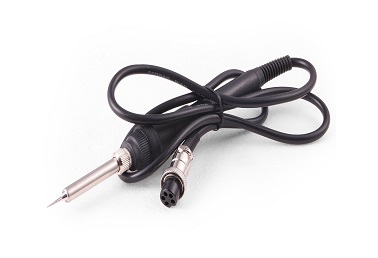
A soldering iron is a basic handheld tool that heats up and melts solder to join electronic components.
Key Features:
- Simple plug-and-use design
- Fixed or adjustable temperature (limited control)
- Lightweight and affordable
- Ideal for basic repairs and small DIY projects
When a Soldering Iron Is Enough
A standard soldering iron works well if:
- You are a beginner or hobbyist
- You only do occasional repairs
- You are working on simple through-hole components
- Budget is your main concern
For small home electronics repairs, a basic soldering iron can get the job done.
However, it does have limitations.

What Is a Soldering Station?
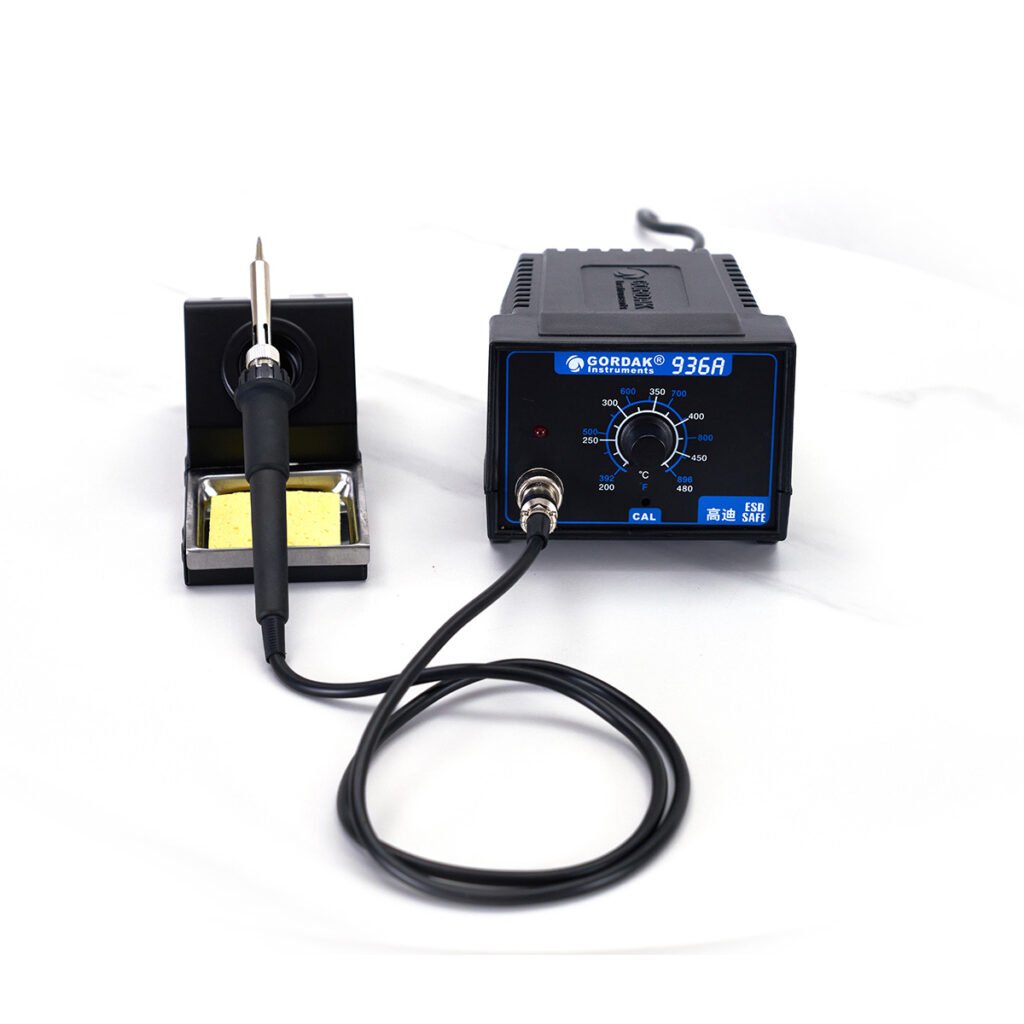
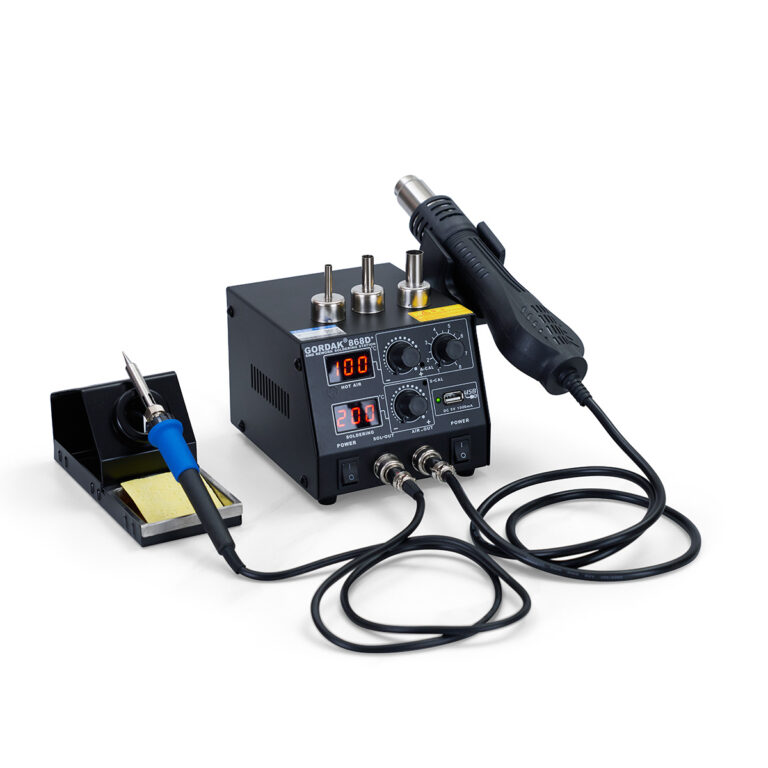
A soldering station includes a control unit and a soldering iron connected to it. The control unit allows precise temperature adjustment and stability.
Key Features:
- Accurate temperature control
- Fast heat-up and recovery
- Digital display (in many models)
- ESD-safe protection
- 可互换吸头
- Better stability for professional work
When You Need a Soldering Station
A soldering station is recommended if:
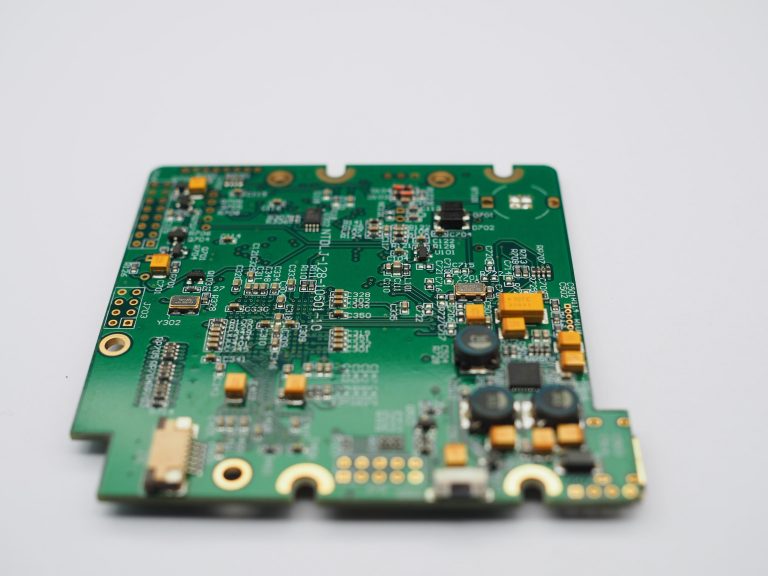
- You work with sensitive SMD components
- You repair PCBs regularly
- You need consistent, precise temperature
- You operate in a professional or production environment
- You want improved safety and durability
For modern electronics—especially surface-mount devices—temperature precision is critical. Too much heat can damage components, and too little heat results in weak solder joints.
This is where a soldering station makes a big difference.

Key Differences: Soldering Iron vs. Soldering Station
| 特点 | 烙铁 | 焊接站 |
|---|---|---|
| 温度控制 | Limited or fixed | Precise and adjustable |
| Heat Stability | Basic | Excellent |
| 最适合 | DIY & occasional use | Professional & frequent use |
| 费用 | 较低 | 更高 |
| ESD Protection | Usually no | Often included |
| Long-Term Durability | 中度 | 高 |
Cost vs. Value
It’s true that a soldering station costs more upfront. But if you solder frequently, the benefits quickly outweigh the investment:
- Fewer damaged components
- Better solder quality
- Improved efficiency
- Longer tool lifespan
- Safer working environment
If soldering is part of your business, repair service, or electronics manufacturing workflow, a soldering station is not a luxury — it’s a necessity.
So, Which One Should You Choose?
Choose a Soldering Iron If:
- You solder occasionally
- You are learning the basics
- You have a limited budget
Choose a Soldering Station If:
- You work with SMD or delicate electronics
- You need professional results
- You require temperature precision
- You solder daily or commercially
In short:
For casual use → Soldering iron is enough.
For serious or professional work → Soldering station is the better investment.
Why Professionals Choose Reliable Equipment
When upgrading to a soldering station, quality matters. A poorly designed station can cause unstable temperatures, tip oxidation, and component damage.
As a trusted 始于 1990 年的焊台制造商, 戈尔达克 has built a strong reputation in the electronics industry.
With over 30 years of experience, GORDAK provides:
- 先进的温度控制技术
- 针对敏感元件的防静电设计
- Reliable performance for SMD and through-hole applications
- Affordable yet professional-grade solutions
- Responsive global customer support
If you’re looking to upgrade your soldering setup, choosing a reliable manufacturer makes all the difference.
For product inquiries or cooperation opportunities, you can contact GORDAK at: info@gordakelec.com
最终想法
A soldering iron may be enough for simple tasks. But if precision, consistency, and professional results matter to you, investing in a soldering station is a smart move.
The right tool not only improves your work quality — it protects your components, saves time, and enhances overall efficiency.