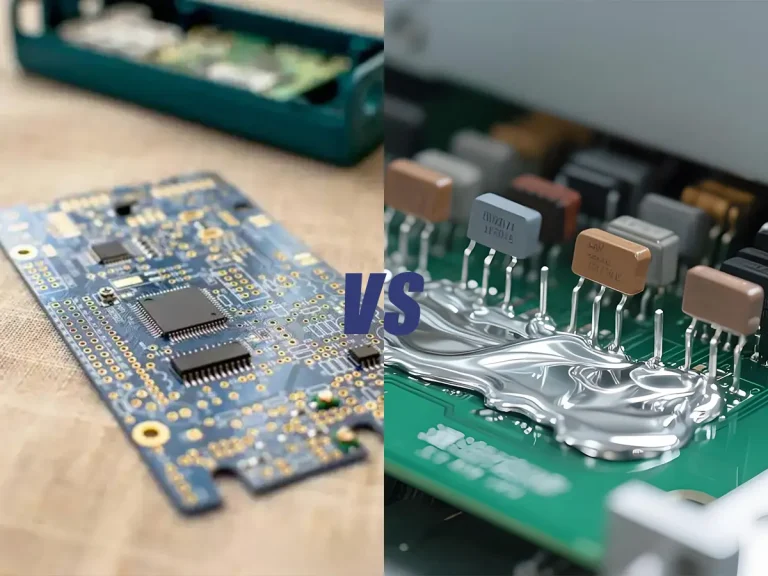
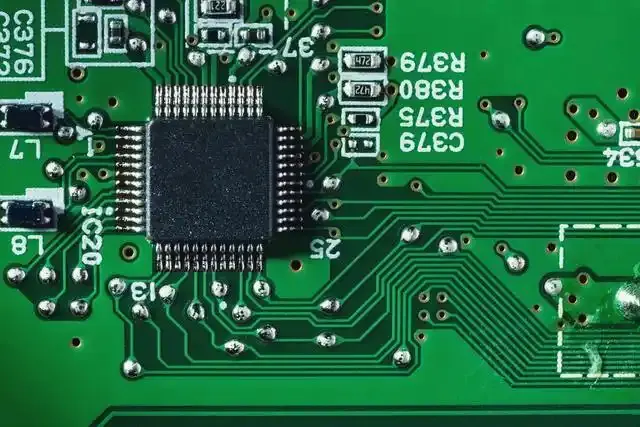
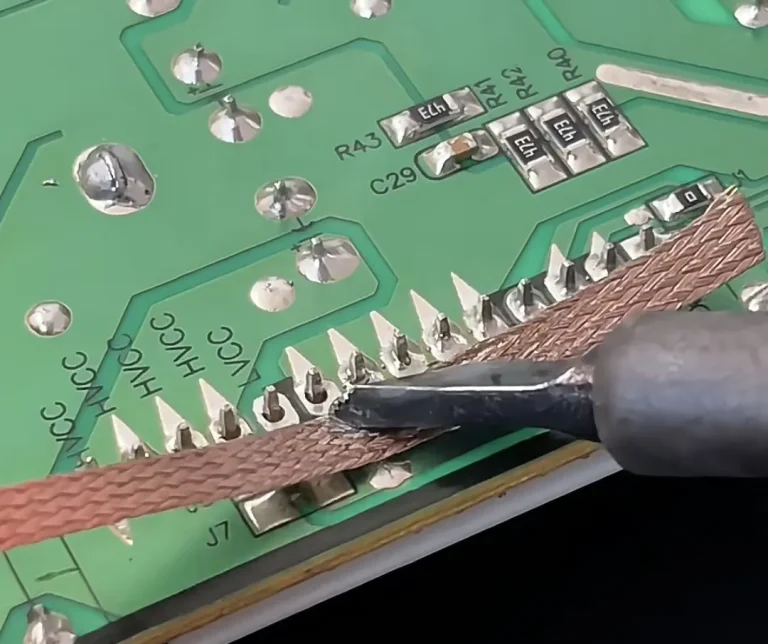
在电路板上工作时,您必须选择拆焊选项或焊接返修站。虽然两者的功能相似,但各有利弊,你应该选择其中一种而不是另一种。下面是它们之间的比较,请使用下面列出的指南找出哪种最适合用于你的电路板
What is Soldering and Rework Station and What are They Used for, You May Ask?
焊接返修站 用于在印刷电路板上工作时,主要是当你想修复电路板时,你需要在修复的同时去除以前的焊料,并用新的焊料固定这部分。
这些工作站通过热风加热电路板,便于拆卸和重新焊接,而且无需多个设备即可运行。它们也有不同的尺寸,适用于不同的印刷电路板,其中一些新型号还带有摄像头、氮气元件和机柜板等附加功能。
的其他一些用途 焊接返修站 包括固定电路板上松动的连接、修复损坏的元件,还可用于表面贴装元件的返工。
How to Use of Soldering Rework Station
要使用该工作站,首先要打开热风工作站,并根据工作需要选择正确的喷嘴尺寸。然后,调节温度和气流速度,熔化电路板上的焊料类型,在电路板上适当移动喷枪末端,确保不会造成损坏。始终使用真空元件将电路板上熔化的部分取出。
当需要对外部电路元件进行全功能维修和返工时,焊接和返工工作站是最佳选择。
What Is a Desoldering Station and What Is It Used For?
拆焊站比焊接返修站更便于携带;由于其结构紧凑,拆焊站能有效地对需要修理的元件进行拆焊。大多数拆焊站都有一个内置真空装置,可以在工作时清除融化的焊料,从而使电路板电路变得干净。
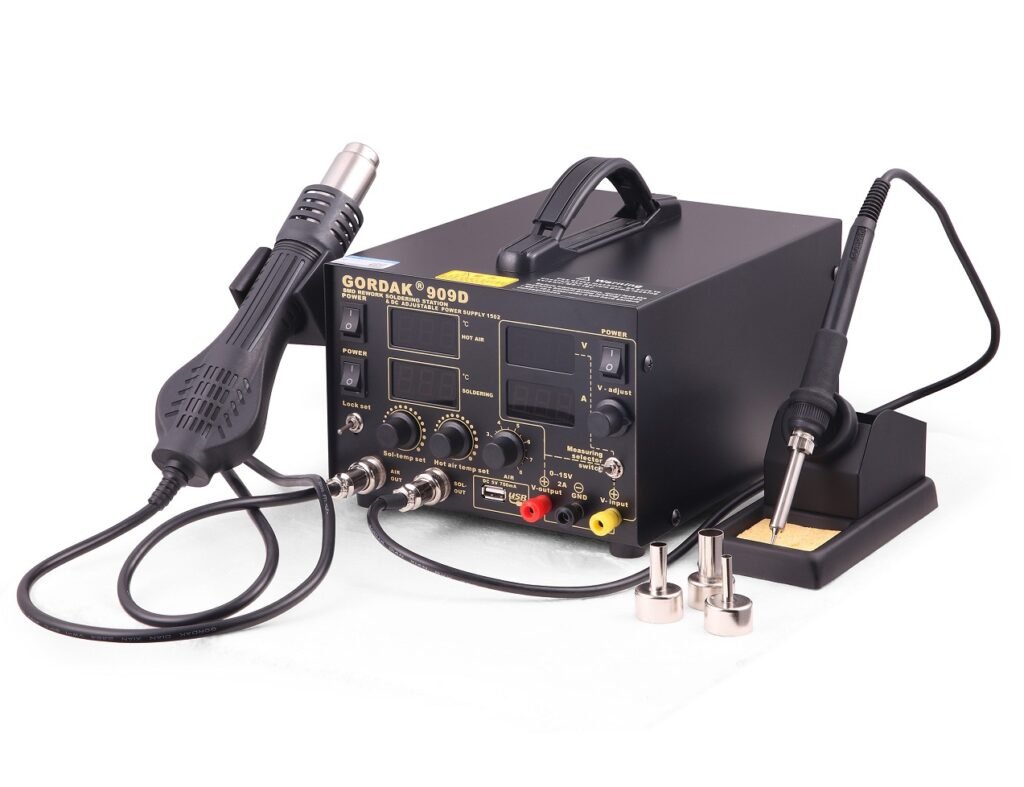
How to Use Desolder
使用拆焊枪时,首先要打开设备,然后将温度设置到所需的程度,以熔化电路板上的焊料。维修时,确保将焊料放在拆焊枪的末端,以确保形成热桥,熔化要去除的焊料。最后启动真空吸力,去除元件上融化的焊料。
与焊接返修站相比,拆焊的特点是结构紧凑,可以随身携带,随时随地拆卸或返修元件。
Soldering Station vs. Desoldering Station vs. Rework Station
Although soldering, desoldering, and rework stations are all used for electronics repair, they are designed for different tasks.
A soldering station is primarily used to create or repair solder joints. A desoldering station is designed to remove molten solder, usually with a heated tip and vacuum system. A rework station is designed for more complex repair tasks, particularly when components need to be removed, replaced, or reworked.
| 特点 | 焊接站 | 拆焊站 | 返修站 |
|---|---|---|---|
| Primary purpose | Joining components | Removing solder | Removing and replacing components |
| Main heat source | Soldering iron tip | Heated desoldering tip | Hot air or other rework heating systems |
| Solder removal | Limited | Excellent | Excellent for many SMD applications |
| SMD component rework | Limited | Limited | Excellent |
| Through-hole soldering | Excellent | Useful for removal | Not the primary application |
| Multi-pin SMD removal | Difficult | Not ideal | Excellent |
| Vacuum function | Usually no | Usually integrated | Depends on the model |
| Best suited for | Soldering wires and components | Removing solder from joints | PCB and SMD repair |
| Typical users | Hobbyists, technicians, assemblers | Repair technicians | Electronics repair professionals and engineers |
The right choice depends on the type of work you perform. A soldering station is the better option when your primary task is creating precise solder joints. A desoldering station is more convenient when you frequently remove solder from through-hole connections. A rework station is generally more suitable when you need to remove or replace SMD components or perform more complex PCB repairs.
Which Station Should You Choose?
The best station depends on the type of electronics work you perform rather than simply the number of features or the maximum temperature.
Choose a Soldering Station If:
A soldering station is usually the best choice when you mainly need to:
- Solder wires
- Work with through-hole components
- Create individual solder joints
- Repair connectors
- Perform precision point soldering
A temperature-controlled soldering station provides more precise control for these applications.
Choose a Desoldering Station If:
A desoldering station is useful when your main task is removing solder from existing connections.
It can be particularly convenient for:
- Through-hole component removal
- Removing solder from component leads
- PCB repair
- Repeated desoldering work
- Repair environments where vacuum solder removal is frequently required
The integrated vacuum system can make solder removal faster and cleaner than using a separate soldering iron and manual desoldering pump.
Choose a Rework Station If:
A rework station is generally more suitable when you work with surface-mount components or need to perform more complex PCB repairs.
Consider a rework station when you regularly need to:
- Remove SMD components
- Replace ICs
- Reflow solder joints
- Repair PCB solder defects
- Work with multi-pin SMD packages
- Perform localized PCB rework
For technicians who perform both soldering and rework, a combination soldering and rework station can provide both functions in one workstation.
Can a Rework Station Replace a Soldering Station?
A rework station cannot completely replace a dedicated soldering station in every application.
A hot air rework station is designed to heat a wider area without direct contact, making it particularly useful for SMD component removal and reflow. A soldering iron, in contrast, provides direct and highly localized heat, which is better for individual solder joints, wires, and through-hole components.
For example, replacing a multi-pin SMD component may be easier with hot air, while attaching a wire to a PCB pad is generally more precise with a soldering iron.
For this reason, professional electronics repair work often uses both tools. A combination soldering and rework station can also be an option when workspace, equipment cost, or portability are important considerations.
Which Station Is Best for Different PCB Tasks?
Different PCB repair tasks call for different tools. The following examples can help you choose the most suitable station.
Soldering Wires
Use a soldering station when attaching wires to PCB pads, connectors, or terminals. The direct heat from the soldering iron provides precise control over the individual connection.
Removing Through-Hole Components
A desoldering station is often convenient when removing through-hole components because its heated tip can melt the solder while the integrated vacuum removes it from the joint.
Removing SMD Components
A hot air rework station is generally more suitable for removing SMD components with multiple solder joints. Hot air heats the joints simultaneously, reducing the need to contact each connection individually.
Replacing an SMD IC
For multi-pin ICs, a rework station can heat the solder around the component until the IC can be lifted without forcing it from the board.
Repairing a Single Solder Joint
A soldering station is usually the simplest option when only one solder joint needs to be repaired.
Complex PCB Repair
When a repair involves removing an SMD component, cleaning the pads, installing a replacement, and making additional solder connections, technicians may use both a rework station and a soldering station.
Key Differences Between Soldering, Desoldering, and Rework Equipment
The simplest way to understand the difference is to consider the primary task:
- Soldering stations are designed to add or repair solder joints.
- Desoldering stations are designed to remove existing solder.
- Rework stations are designed to remove, replace, and rework electronic components, especially SMD components.
In practice, these tools are complementary rather than interchangeable. The right choice depends on the components, PCB design, and type of repair being performed.
Partner with Us for Quality Soldering Rework Stations
焊接返修站 我们为您提供清除元件上的前焊料所需的所有功能,并提供使用标准材料制造的优质焊接设备。
如果您需要可信的焊接和返修工作台制造商和经销商,请 单击 请在此查看我们的各种设计,以及功能齐全、价格合理的焊接设备,我们将为您提供优质的产品和最优惠的价格。