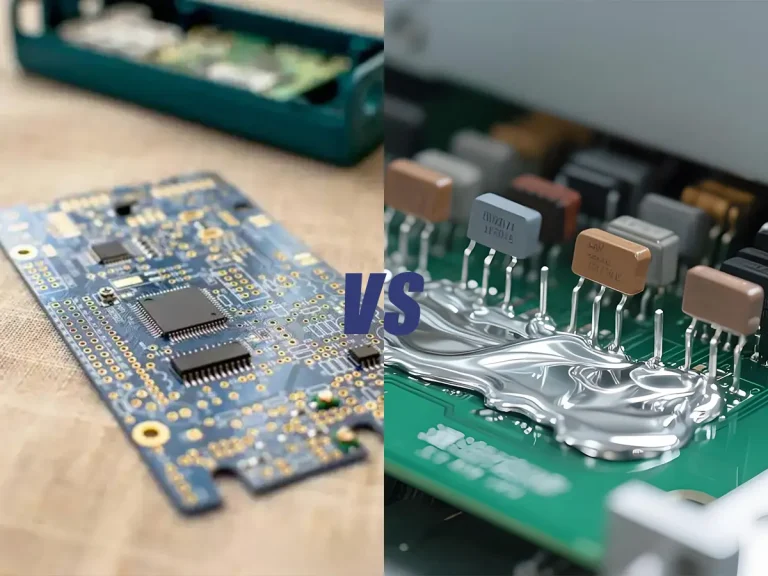
烙铁是非常有用的多功能工具,但也很容易让人忽略它的所有优点。基于这种想法,今天我们来看看你应该了解的烙铁的一些主要用途。希望这也能让你为你的新烙铁或现有烙铁找到完美的用途。
什么是烙铁?
A 电烙铁 is a hand-held tool that uses controlled heat to melt solder and create a connection between metal surfaces. It is widely used in electronics assembly, PCB repair, wire joining, electrical work, and various DIY and metalworking applications.
A typical soldering iron consists of a heating element, handle, tip, and power connection. When the tip reaches the required temperature, it transfers heat to the joint and melts the solder. As the solder cools and solidifies, it forms a mechanical connection and, in electronics applications, an electrical connection.
The type of soldering iron you need depends on the application, including the size of the joint, required temperature, power requirements, and level of precision.
What Does a Soldering Iron Do?
A soldering iron provides the heat needed to melt solder and join two or more metal surfaces. In electronics, it allows solder to flow between a component lead, wire, terminal, or PCB pad and form a reliable electrical connection after cooling.
In practical applications, a soldering iron can be used to:
- Join wires and cables
- Attach components to printed circuit boards
- Repair damaged solder joints
- Replace electronic components
- Connect terminals and connectors
- Build electronic prototypes
- Perform certain craft and metalworking tasks
The soldering iron itself does not normally form the permanent joint. Instead, it supplies controlled heat that melts the solder, which then solidifies to create the connection.
What Are Soldering Irons Used For?
Soldering irons are most commonly used to create or repair metal connections by melting solder. Electronics is one of their most common applications, but soldering irons are also used for electrical repairs, DIY projects, crafts, and certain metalworking tasks.
Common soldering iron uses include:
- Electronics assembly and repair
- PCB soldering and rework
- Wire and cable connections
- Electrical repairs
- DIY electronics projects
- Prototyping
- Jewelry and metal crafts
- Stained glass work
- Automotive electrical repairs
- Certain plumbing and sheet metal applications
The appropriate soldering iron depends on the material being joined, joint size, required heat, and the level of precision needed. A precision electronics soldering iron, for example, is not necessarily suitable for applications that require much higher heat input.
Soldering Iron Uses in Electronics
Electronics is one of the most common applications for a soldering iron. By applying controlled heat to a joint, a soldering iron can create electrical and mechanical connections between components, wires, terminals, and printed circuit boards.
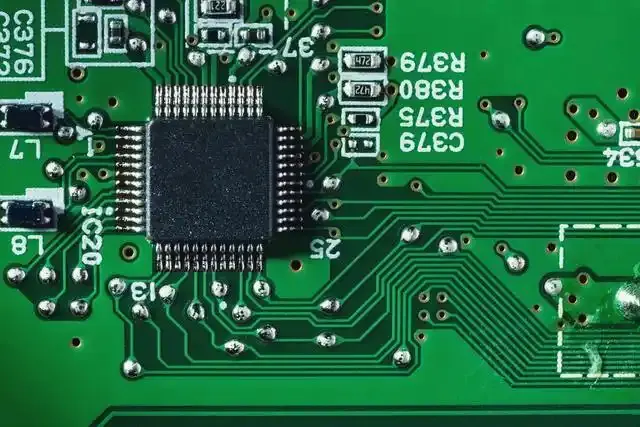
PCB Assembly
Soldering irons are commonly used to attach through-hole components, connectors, wires, headers, and other components to printed circuit boards.
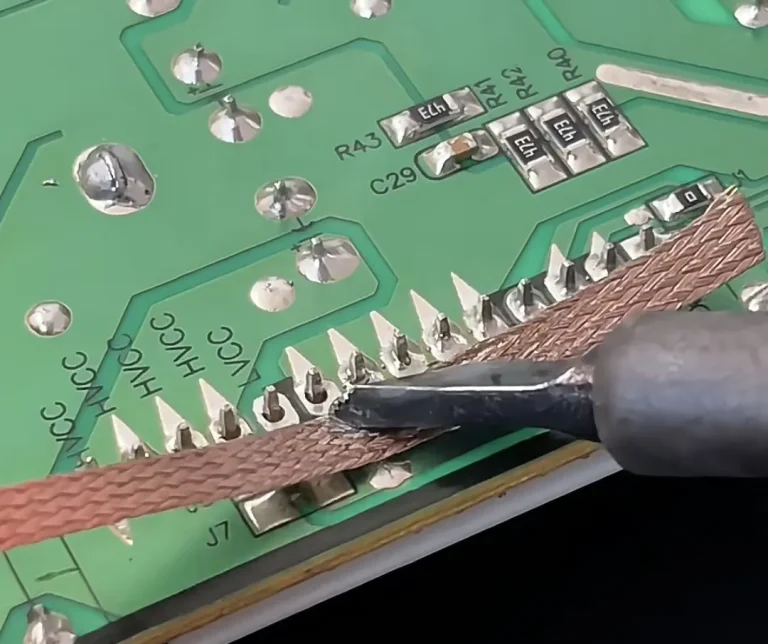
PCB Repair
During PCB repair, a soldering iron can be used to repair broken solder joints, replace damaged components, reconnect wires, and restore electrical connections.
Component Replacement
Technicians can use a soldering iron to remove and replace many through-hole electronic components, including:
- Resistors
- Capacitors
- Diodes
- Switches
- Connectors
- Headers
For small SMD components, a fine soldering tip and appropriate soldering technique may be required.
Wire and Cable Repair
Soldering irons can join wires or attach wires to terminals, connectors, switches, and PCB pads. This makes them useful for repairing electronic cables and small electrical assemblies.
Electronics Prototyping
Hobbyists and engineers also use soldering irons to build prototypes on:
- Perfboards
- Stripboards
- Prototype PCBs
- Custom electronic assemblies
A temperature-controlled soldering iron can make it easier to work with different component sizes and soldering requirements.
What Can You Do With a Soldering Iron at Home?
A soldering iron can be useful for many small electrical repairs and DIY projects at home. It is particularly useful when a wire, terminal, switch, or electronic component needs to be joined or replaced.
Common home uses include:
- Repairing damaged wires
- Reconnecting loose electrical connections
- Replacing small switches
- Repairing cables and connectors
- Building simple electronic projects
- Assembling DIY electronics kits
- Repairing small PCB assemblies
- Creating small craft projects
For beginners, simple wire connections and through-hole electronics projects are generally easier starting points than fine-pitch SMD repair.
Soldering Iron vs. Soldering Gun
A soldering iron and a soldering gun both provide heat for soldering, but they are designed for different applications.
A 电烙铁 is generally better suited to precision work such as electronics assembly, PCB repair, wire connections, and small components. A soldering gun typically provides higher power and is more suitable for applications that require greater heat input.
| 特点 | 烙铁 | 焊枪 |
|---|---|---|
| Typical use | Electronics and precision work | Larger electrical and metalwork applications |
| Heat control | Generally easier to control | Higher heat output |
| 精度 | 高 | Lower for very small joints |
| PCB work | Well suited | Usually less suitable |
| Large wires | Suitable depending on power | Often better suited |
| Small components | Better choice | Generally not recommended |
For most electronics applications, a soldering iron provides the control and precision required for reliable solder joints.
How to Choose a Soldering Iron for Different Uses
Different soldering applications require different levels of temperature control, power, tip size, and portability.
| 应用 | Important Features |
|---|---|
| PCB repair | Precise temperature control, fine tips, thermal recovery |
| SMD soldering | Fine tips, precise control, good temperature stability |
| Wire soldering | Suitable power, medium or larger tip |
| DIY electronics | Versatility, interchangeable tips |
| Prototyping | Adjustable temperature, multiple tip options |
| Field repair | Portable design, fast heat-up |
| Craft work | Appropriate tip shape and temperature range |
| Larger metal joints | Higher heat capacity and suitable tip |
The best soldering iron is determined by the application rather than by maximum temperature or wattage alone.
烙铁的作用远不止焊接这么简单
烙铁是为焊接应用而设计的,这一点毋庸置疑。不过,虽然烙铁可能主要是为这一目的而设计的,但这并不是说它们不能提供丰富的其他应用,如果您一直在寻找一种实用的多功能选择,这可能会使它们成为您可以考虑的极佳选择。
当然,如何使用烙铁在很大程度上取决于您的具体要求和需要。
你应该知道的烙铁的五种额外用途
如果你一直想知道你的烙铁是否比表面上看起来更有潜力,那么有一个好消息可以告诉你。以下五个例子也都可能是烙铁的潜在用途;只是在使用之前,一定要向烙铁制造商确认这样做对你的特定设备是否安全。
#1 珠宝制作
您知道用烙铁可以制作出坚固的金属首饰吗?与普通首饰相比,烙铁可以为您的首饰提供更强的密封性,因此这是一个值得牢记的宝贵选择。
#2 密封织物
破旧磨损的布料不可避免地会失去其原有的魅力和美感。幸运的是,您可以通过密封磨损织物的边缘来克服这一困难,如果您使用的是不易燃的合成纤维织物,烙铁可能会对此有所帮助。不过,不要在易燃织物上使用烙铁,因为这可能会导致织物烧焦甚至着火。
#3 在木头上创作图案
如果您觉得自己很有创意,烙铁可以让您在木头上创作出令人惊叹的艺术品!这种简单的工艺是展示您创造力的独特方式,让您有机会创作出定制的个性化艺术品。
#4 制作彩色玻璃马赛克
如果您曾见过令人惊叹的彩色玻璃设计,并想亲手重现,那么烙铁就是一个非常有用的工具。使用烙铁可以制作出令人叹为观止的彩色玻璃马赛克和图案,焊接可以帮助将彩色玻璃的各个碎片固定在一起。
#5 修复塑料
在某些情况下,用烙铁小心地加热,可以修复塑料上的细微裂缝和孔洞。因此,如果你有一个破损的塑料零件还不想扔掉,你可以尝试用烙铁来修复它。
How to Use a Soldering Iron Safely
A soldering iron can reach temperatures high enough to cause burns and damage nearby materials, so proper handling is essential.
When using a soldering iron:
- Place the iron in a stable stand when it is not in use.
- Never touch the heated tip directly.
- Keep the hot tip away from cables and flammable materials.
- Work in a well-ventilated area when soldering.
- Keep your workspace organized and free from unnecessary materials.
- Allow the soldering iron to cool before storage or maintenance.
- Use appropriate protective equipment for the application.
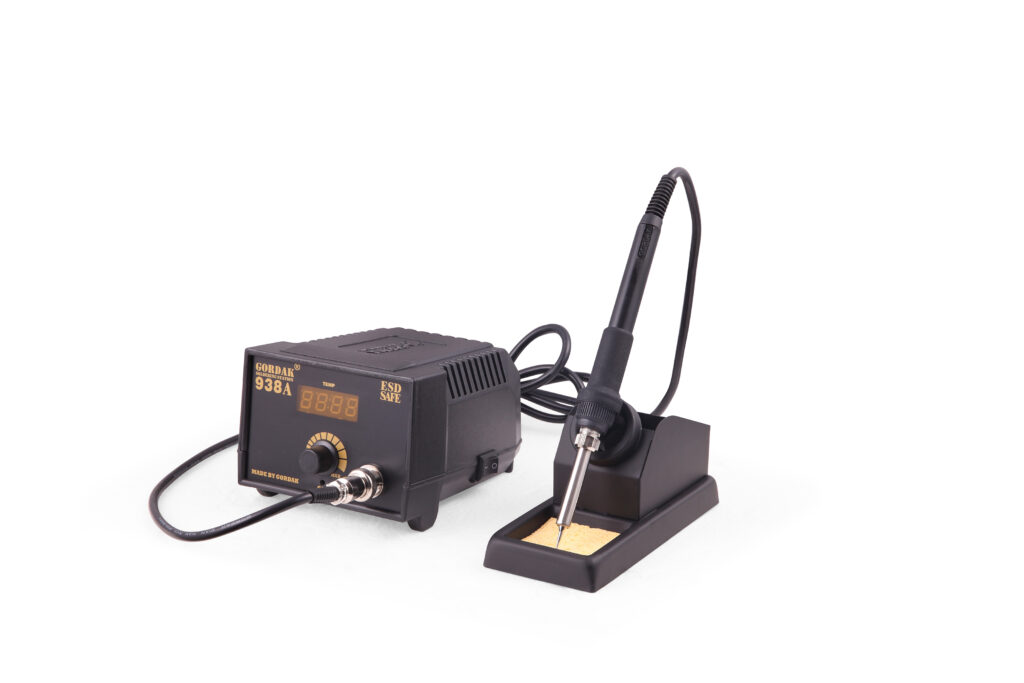
When working with sensitive electronic components, an ESD-safe soldering setup can also help reduce the risk of electrostatic damage.
最终想法
Soldering irons are undoubtedly great options for those needing a specialist soldering tool; however, don’t overlook the other great features and applications of soldering irons, too. After all, you might just find that they are exactly the product you have been searching for in a wide array of scenarios. So, from soldering to artwork and everything in between, be sure to keep an open mind on the benefits of soldering irons! For any questions, please contact us at info@gordakelec.com.