• +8618025978448
  • info@gordakelec.com
× 发送

Why Temperature Control Matters in Soldering Electronics

Temperature control is one of the most critical factors in electronic soldering. Using the correct and stable temperature ensures reliable electrical connections, protects sensitive components, and improves overall soldering quality. Whether you are assembling new circuit boards or repairing existing ones, proper temperature control directly affects performance, durability, and efficiency.

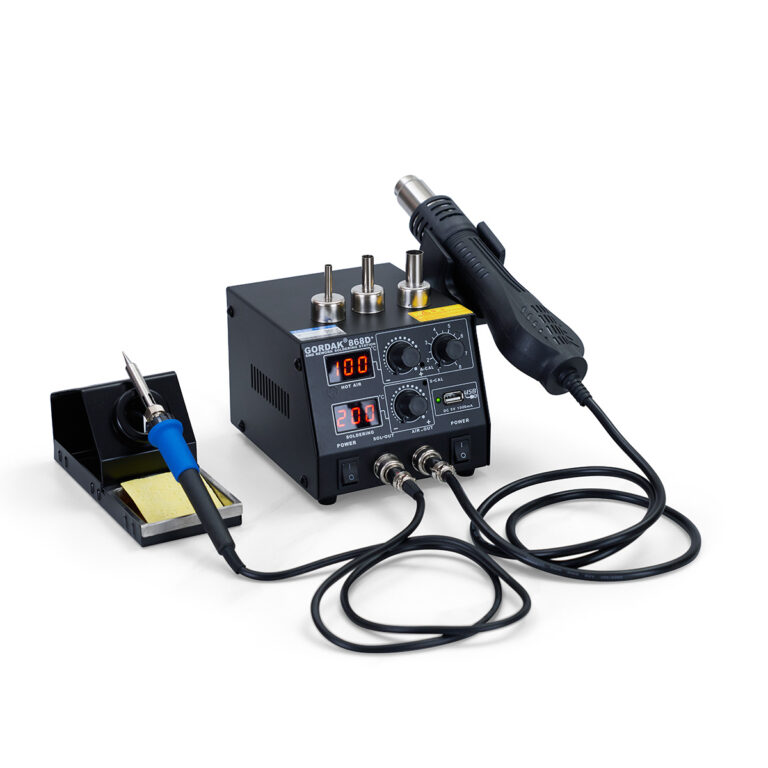
Electronic components are highly sensitive to heat. Excessive temperatures can damage internal structures, reduce component lifespan, or cause immediate failure. Without temperature control, soldering irons may overheat, leading to burned components or lifted PCB pads. Controlled temperature keeps heat within safe limits and minimizes thermal stress.

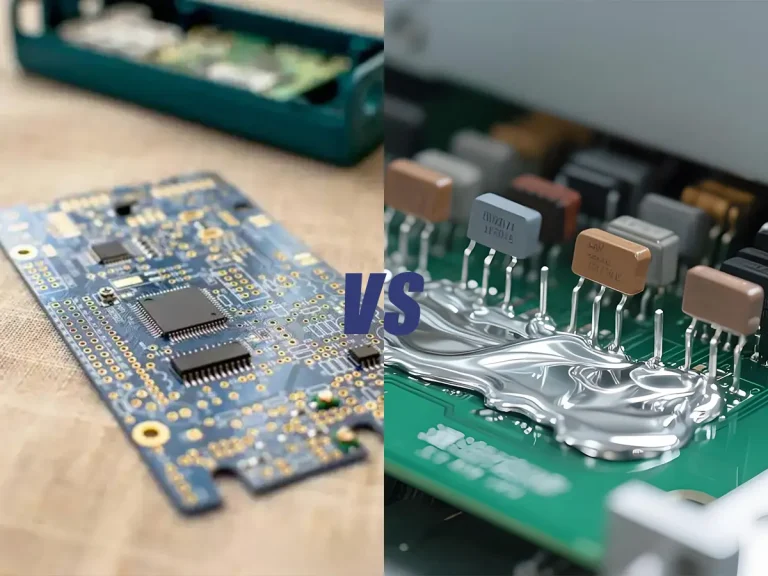
Solder must reach the correct temperature to melt and flow properly. If the temperature is too low, solder may not wet the joint fully, creating cold joints that are weak and unreliable. If it is too high, solder can oxidize or spread uncontrollably. Temperature control allows solder to form smooth, strong, and conductive joints.

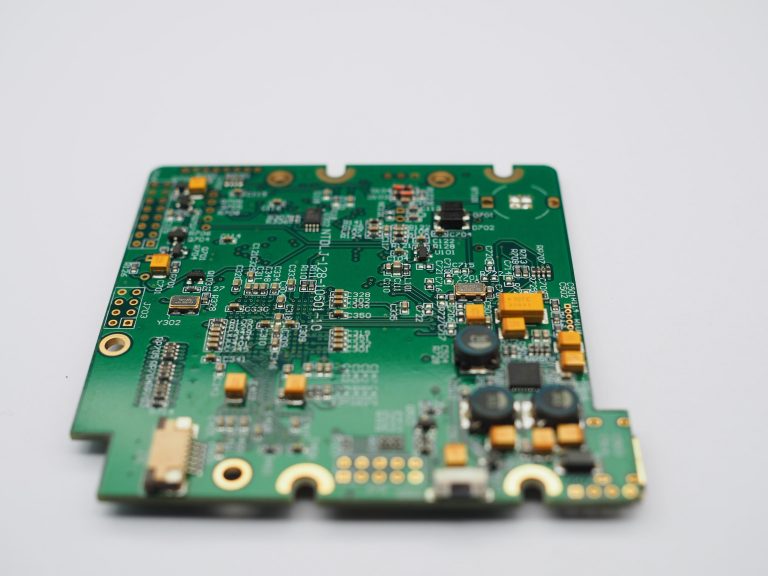
Printed circuit boards can be easily damaged by uncontrolled heat. Excessive temperatures can cause delamination, pad lifting, or damage to traces. Maintaining a stable soldering temperature protects the PCB structure and ensures long-term reliability.

Lead-free solders have higher melting points and narrower working temperature ranges compared to traditional leaded solder. Accurate temperature control is essential to achieve proper solder flow without overheating components. Without it, lead-free soldering becomes inconsistent and difficult.

In electronics manufacturing and repair, consistent results are essential. Temperature-controlled soldering ensures each joint is made under the same conditions, reducing defects and rework. This consistency improves productivity and overall product quality.

Overheating accelerates oxidation and wear of soldering tips. Maintaining the correct temperature reduces tip degradation, extending tool life and lowering maintenance costs.

With stable temperature control, soldering becomes faster and more efficient. The iron recovers heat quickly when in contact with joints, reducing waiting time and improving workflow, especially in high-volume or precision work.

Temperature control is essential for safe, precise, and reliable electronic soldering. It protects components and PCBs, ensures strong solder joints, supports modern lead-free soldering, and improves consistency and efficiency. For anyone working with electronics, proper temperature control is not optional—it is a fundamental requirement for quality results.

For further questions, please contact us at info@gordakelec.com.

Please enable JavaScript in your browser to complete this form.