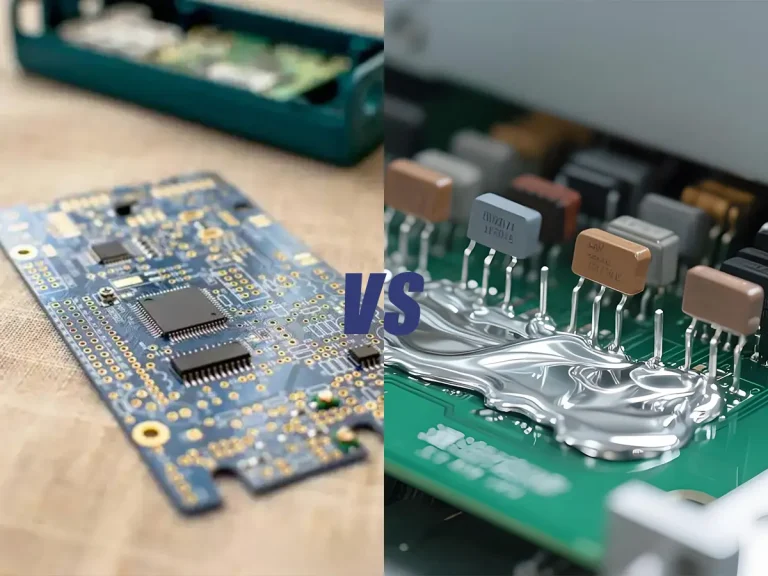
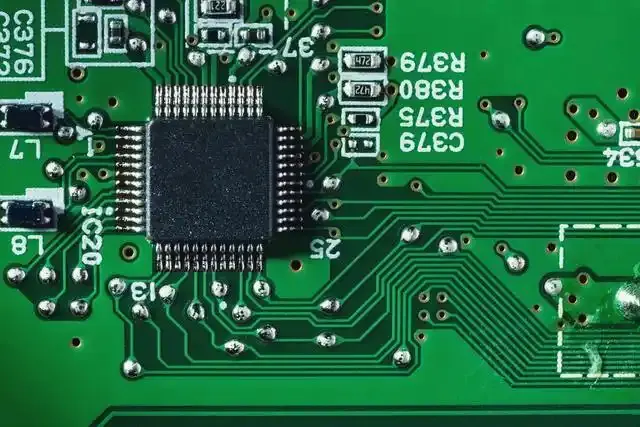
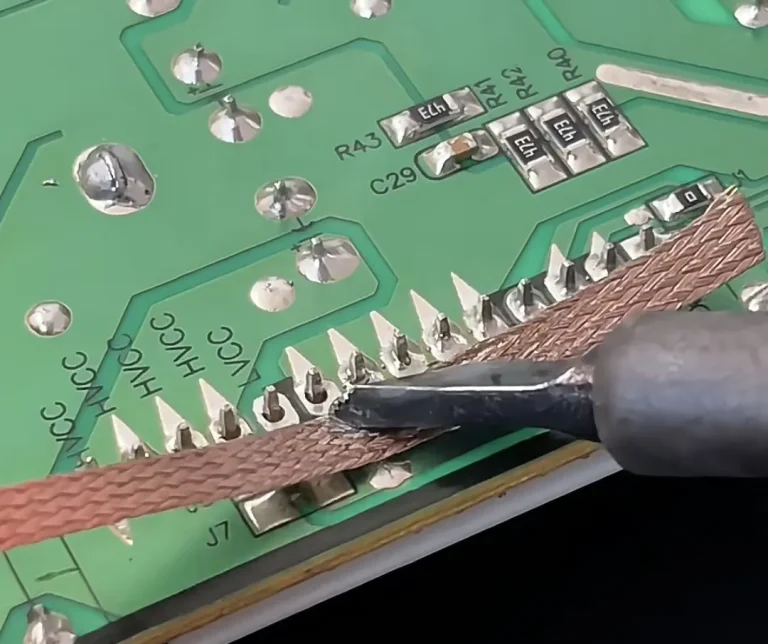
Have you been looking to find the ideal choice of equipment for your soldering efforts? In many cases, soldering can be a highly intricate process, and in line with this, it’s not uncommon for mistakes to crop up. Nevertheless, this shouldn’t have to stop you from finding the ideal solutions for your own soldering needs, and today’s guide is looking at some of the main differences between hot air rework stations and heat guns to help you find the ideal finishing equipment.
Can You Use a Heat Gun for Soldering?
Yes, a heat gun can be used for some soldering and desoldering tasks, but it is not a direct replacement for a hot air rework station.
- Heat gun → broader heating applications
- Hot air rework station → electronics-specific
- Heat gun → less precise temperature/airflow control
- Rework station → adjustable temperature + controlled airflow + interchangeable nozzles
- Heat gun → higher risk of heating surrounding components
- Rework station → better for SMD/PCB work
Heat Gun vs Hot Air Rework Station for Soldering
| Feature | Heat Gun | Hot Air Rework Station |
|---|---|---|
| Temperature control | Usually broader / less precise | Precise and adjustable |
| Airflow control | Often limited | Adjustable |
| Nozzle selection | Limited | Multiple nozzle options |
| SMD rework | Not ideal for precision work | Designed for SMD rework |
| PCB repair | Higher risk of collateral heating | Better localized heating |
| Small components | Difficult to control | Better suited |
| Large-area heating | Good | Good with suitable nozzle |
| Electronics repair | Limited applications | Primary application |
| Heat distribution | Wider | More controlled |
| Professional rework | Not recommended | Recommended |
When Can You Use a Heat Gun for Soldering?
Suitable Applications
- Removing heat-shrink tubing
- Softening adhesives
- Heating large metal areas
- Removing certain connectors or components
- General workshop heating
- Some large-area soldering or desoldering tasks
Applications Where a Heat Gun Is Not Ideal
- Fine-pitch ICs
- QFN packages
- Small SMD components
- Densely populated PCBs
- Precision PCB rework
- Temperature-sensitive components
Why Can a Heat Gun Damage a PCB?
Excessive Heat
Heat guns can produce temperatures far beyond what some electronic components can tolerate.
Excessive Airflow
Strong airflow can move or blow away small SMD components.
Large Heating Area
A heat gun can heat surrounding components rather than only the target area.
Limited Temperature Control
Some heat guns are designed for general heating rather than precision electronics work.
Nozzle Size
A large nozzle may distribute heat over a much wider area than necessary.
What are Hot Air Rework Stations and Heat Guns?
First, before we compare the differences, we need to define the main features of hot air rework stations and heat guns. Hot air rework stations are complete sets that are designed to make it easier to rework and remove old solder from circuit boards. Since these kits include all of the information you will need to do the work, they tend to offer a much simpler way to get started.
Meanwhile, heat guns are very similar to hot air rework stations, but with one significant difference: they don’t offer a complete set, but rather, a single handheld tool for applying hot air. Heat guns offer a simple way to apply heat directly to a solder (and the like, making them popular options for those needing a simple and versatile solution overall.)

How Do These Differ From One Another?
As we’ve briefly shown so far, hot air rework stations are generally more versatile than heat guns alone, but what are the main differences between these two different solutions?
Well, overall, the core difference lies in how the tools are used. Indeed, hot air rework stations are used for repairing and removing old solder, and in line with this, they typically contain all of the essential tools you’ll need to tackle this challenge. Thus, these offer an ideal solution for those needing a reliable way to remove and rework old solder. And, since hot air rework stations are specifically designed with this use in mind, they typically include the optimal materials and equipment options needed to remove or rework solder to the highest possible standard.
Contrastingly, heat guns are not specifically designed for reworking and removing older soldering. While these tools can be very effective for this purpose, they are generally a generalist tool. As a result of this, they can also be used for a variety of other heated applications. However, due to their general nature, they tend to be a lot less precise than hot air rework stations; furthermore, heat guns may also contain nozzles that are not necessarily suitable for soldering purposes, which could leave you facing a challenge in terms of directing the hot air appropriately.
What to Look for in a Hot Air Rework Station
1. Adjustable Temperature
Allows users to match heat output to solder type and component requirements.
2. Adjustable Airflow
Important for controlling small SMD components.
3. Interchangeable Nozzles
Different nozzle sizes support different component packages and heating areas.
4. Temperature Stability
Stable temperature helps prevent overheating and inconsistent reflow.
5. ESD Protection
Important when working with sensitive electronic components.
6. Automatic Cooling
Helps protect the heating element and improve equipment service life.
Final Thoughts
Both hot air rework stations and heat guns can offer a valuable solution for those needing a way to touch up their soldering efforts. However, there are undoubtedly differences between the two, and hopefully, today’s guide should have helped you learn more and make a more informed choice for your needs. For further questions, please contact us at info@gordakelec.com.
Two-in-One & Hot Air Stations
Beginner’s Guide to Two-in-One Hot Air Rework and Soldering Stations
Two-in-One Rework Stations for Hobbyists vs. Professionals: What’s the Difference?
What to Look for When Buying a Two-in-One Soldering Station
Hot Air Soldering Station vs. Soldering Iron – Which One Should You Choose?
Hot Air Rework Station vs Desoldering Station
Hot Air Rework Station Vs Heat Gun
How to Use a Hot Air Rework Station
How To Use Hot Air Soldering Rework Station
Things To Consider Before Purchasing The Best Hot Air Rework Station