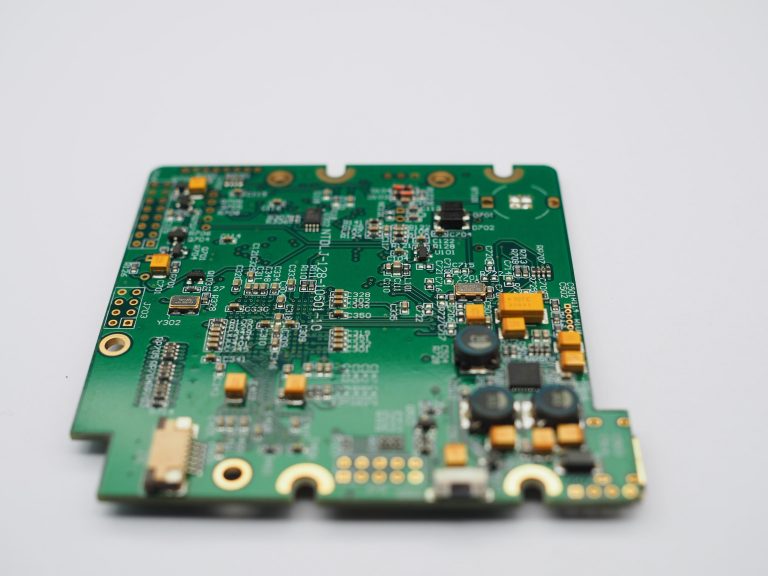
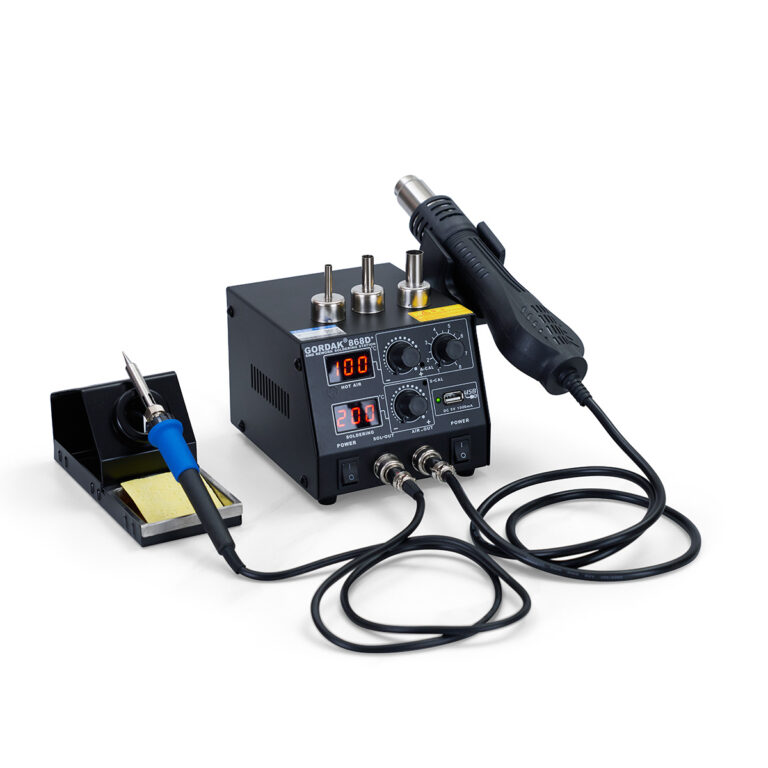
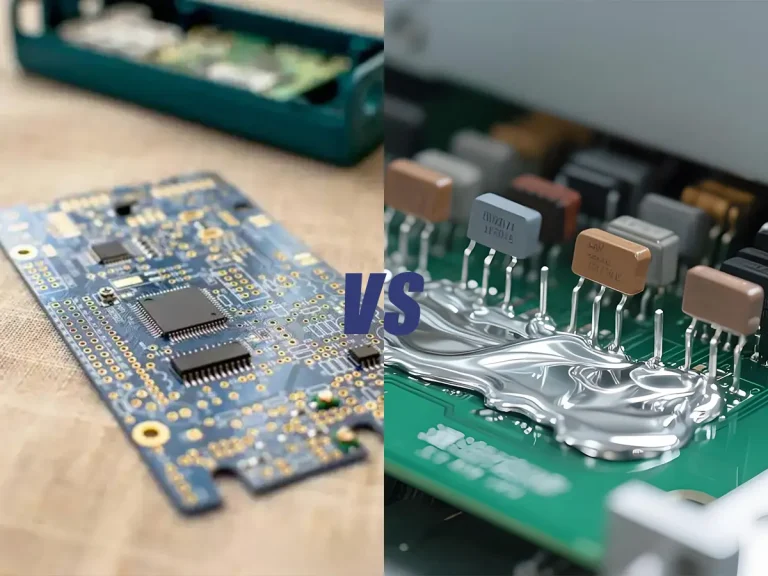
Soldering is one of the most fundamental skills in electronics repair, DIY projects, and prototyping. Whether you’re assembling a circuit board, fixing a wire connection, or experimenting with your first project, having the right tools and supplies makes the process safer, easier, and more effective. This guide outlines the essential soldering tools every beginner should have before getting started.
Essential Soldering Tools Checklist for Beginners
Before starting any soldering project, beginners should prepare a basic set of reliable tools and supplies. The right equipment not only makes soldering easier but also improves safety, accuracy, and the quality of solder joints.
A basic soldering setup usually includes:
Essential tools:
- Soldering station or soldering iron – Provides the heat required to melt solder and create electrical connections.
- Solder wire – Forms the mechanical and electrical connection between components.
- Soldering tips – Different tip shapes improve heat transfer for different applications.
- Flux – Improves solder flow and helps remove oxidation from metal surfaces.
- Desoldering tools – Allow beginners to correct mistakes and remove unwanted solder.
Helpful accessories:
- Tweezers – Useful for positioning small components, especially SMD parts.
- PCB holder or third hand tool – Keeps the board stable during soldering.
- Multimeter – Helps test continuity and check electrical connections.
- Magnifying lamp – Improves visibility when working with small components.
Beginners do not need to purchase every advanced tool immediately. Starting with reliable basic equipment and gradually expanding the toolkit based on project requirements is usually the most practical approach.
Soldering Iron or Soldering Station
The first and most important tool is the soldering iron or soldering station.
- Soldering Iron: Portable and affordable, ideal for beginners handling small repairs.
- Soldering Station: Offers adjustable temperature control, faster heating, and stability for more precise work.
For those planning long-term projects, a soldering station is highly recommended because it ensures consistent results and reduces the risk of damaging components.
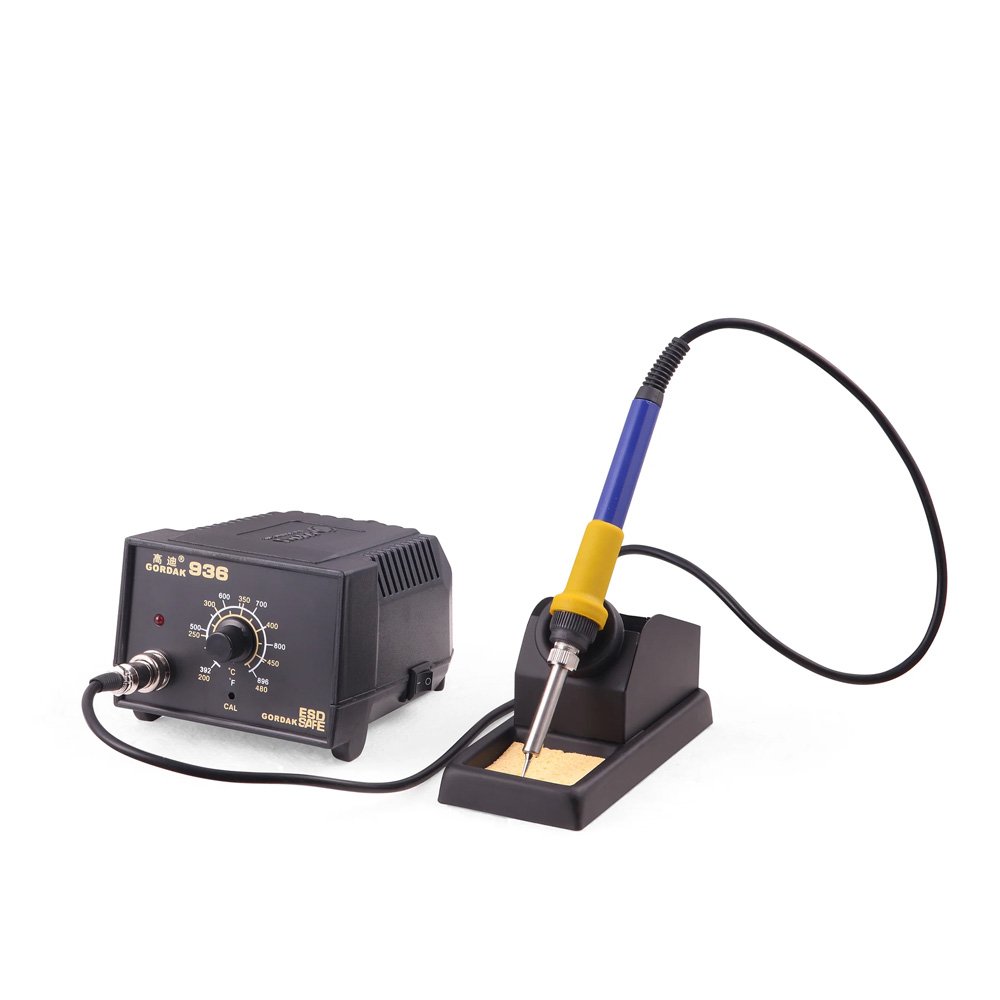
How to Choose a Soldering Station for Beginners
A soldering station is one of the most important investments for anyone starting electronics repair or PCB assembly. Compared with a basic soldering iron, a temperature-controlled soldering station provides better stability, safer operation, and more consistent soldering results.
When choosing a soldering station, beginners should consider several important factors.
Temperature Control and Stability
Accurate temperature control helps prevent common soldering problems caused by overheating or insufficient heat.
A good soldering station should provide:
- Adjustable temperature settings
- Stable heat output
- Fast temperature recovery
Stable temperature performance is especially important when working with sensitive electronic components, small PCB pads, and lead-free solder.
Heating Speed and Power
The heating performance of a soldering station affects how quickly it reaches the required working temperature and how well it maintains heat during soldering.
Higher-quality stations can recover temperature faster when the soldering tip contacts larger components or copper areas.
This helps:
- Reduce soldering time
- Improve solder flow
- Prevent excessive heating of components
Tip Compatibility
Different soldering tasks require different tip shapes and sizes.
For example:
- Fine conical tips are suitable for precision SMD work.
- Chisel tips provide better heat transfer for larger joints.
- Larger tips are useful for connectors and heavy copper areas.
A soldering station with a wide range of compatible tips allows beginners to handle more applications as their skills improve.
ESD Protection
Electrostatic discharge (ESD) can damage sensitive electronic components during repair and assembly.
For electronics work, an ESD-safe soldering station helps protect:
- Integrated circuits
- Microcontrollers
- Semiconductor components
This feature is especially valuable for PCB repair and professional electronics applications.
Solder Wire
Solder wire is the material that melts to form electrical connections. For beginners:
- Composition: Leaded solder (tin/lead) is easier to use, but lead-free solder is safer and environmentally friendly.
- Diameter: Thin solder wire (0.5–0.8 mm) is easier to control for small electronic parts.
- Flux Core: Flux helps clean the surface and ensures better flow, making solder joints stronger.
Soldering Tip Variety
Different soldering tips allow for different applications:
- Conical tips for precision on small components.
- Chisel tips for larger joints or desoldering.
- Specialty tips for SMD (surface-mount devices).
A set of interchangeable tips gives beginners flexibility as they progress.
Flux and Flux Pen
Flux improves solder adhesion and prevents oxidation during soldering. While solder wire may already contain flux, additional flux paste or a flux pen is helpful for stubborn joints and SMD soldering.
Desoldering Tools
Mistakes are common for beginners, so desoldering tools are essential:
- Desoldering Pump: Removes melted solder quickly.
- Desoldering Wick (Braid): Absorbs solder for small corrections.
These tools help you rework mistakes without damaging the board.
Essential PCB Soldering Accessories Beginners Should Have
In addition to the main soldering equipment, several accessories can significantly improve soldering accuracy and efficiency. These tools are especially useful when working with printed circuit boards (PCBs) and small electronic components.
PCB Holder or Third Hand Tool
Holding a PCB steady can be difficult when both hands are needed for soldering.
A PCB holder or third hand tool helps:
- Keep the board stable
- Improve soldering accuracy
- Prevent accidental movement during heating
This is particularly useful for beginners who are still developing hand coordination.
Tweezers for Small Components
Tweezers are essential when working with surface-mount devices (SMD).
They help users:
- Position small components
- Hold parts during soldering
- Remove components during rework
Fine-point ESD-safe tweezers are recommended for delicate electronic components.
Multimeter for Testing
A multimeter is one of the most valuable tools for electronics repair.
After soldering, it can be used to:
- Check electrical continuity
- Detect short circuits
- Verify connections
Testing with a multimeter helps identify soldering problems before powering on a circuit.
Cleaning Tools
Keeping the PCB clean improves soldering reliability.
Common cleaning supplies include:
- Isopropyl alcohol
- PCB cleaning brushes
- Lint-free wipes
Removing flux residue after soldering helps prevent long-term reliability issues, especially in professional applications.
Safety Equipment
Safety is crucial when dealing with high temperatures and fumes:
- Soldering Stand: Keeps the hot iron safely in place.
- Fume Extractor or Ventilation Fan: Reduces inhalation of solder smoke.
- Safety Glasses and Heat-Resistant Gloves: Protect your eyes and hands from splashes.
Additional Accessories
- Tweezers: Useful for handling tiny components.
- Magnifying Lamp: Provides better visibility when working with micro components.
- Wire Cutters and Strippers: Essential for preparing wires before soldering.
Tools Needed for Different Soldering Applications
The required soldering tools can vary depending on the type of electronics work. While a basic soldering setup is enough for simple projects, different applications may require additional equipment.
Tools for Through-Hole Soldering
Through-hole components usually have larger leads that pass through PCB holes.
Commonly used tools include:
- Temperature-controlled soldering station
- Chisel soldering tip
- Solder wire
- Wire cutters
- Desoldering pump
These tools are suitable for circuit boards, connectors, cables, and DIY electronics projects.
Tools for SMD Soldering
Surface-mount components are smaller and require more precise handling.
Beginners working with SMD components may need:
- Fine soldering tips
- Flux pen
- Precision tweezers
- Magnification equipment
- Hot air rework station
Proper tools help improve accuracy and reduce the risk of damaging small PCB pads.
Tools for PCB Repair
PCB repair often requires both soldering and testing equipment.
Useful tools include:
- Soldering station
- Desoldering wick
- Desoldering pump
- Multimeter
- Hot air rework station
Having the right repair tools allows technicians to remove damaged components, install replacements, and verify circuit performance.
Common Mistakes Beginners Make When Choosing Soldering Tools
Choosing the wrong tools can make soldering more difficult and lead to unreliable results. Many beginner soldering problems are caused not by technique, but by unsuitable equipment.
Choosing the Cheapest Soldering Iron
Low-cost soldering irons often have limited temperature control and poor heat recovery.
Common problems include:
- Unstable temperature
- Slow heating
- Difficulty soldering larger joints
A reliable temperature-controlled soldering station usually provides a better learning experience.
Using the Wrong Soldering Tip
The soldering tip directly affects heat transfer.
Using a tip that is too small may result in:
- Slow solder melting
- Longer heating time
- Poor solder flow
Choosing the correct tip size improves efficiency without requiring excessive temperature.
Ignoring Flux
Many beginners rely only on solder wire and overlook the importance of additional flux.
Flux helps:
- Remove oxidation
- Improve solder wetting
- Create cleaner solder joints
For PCB repair and SMD soldering, flux is often essential.
Buying Tools Without Considering Future Applications
A beginner may start with simple projects but later move into:
- PCB repair
- SMD soldering
- Electronics maintenance
Choosing expandable equipment, such as a soldering station with replaceable tips and stable temperature control, allows the toolkit to grow with experience.
Conclusion
Starting with the right soldering tools makes learning easier, safer, and more enjoyable. By investing in reliable equipment and basic accessories, beginners can build confidence and achieve professional-looking results in their electronics projects.
About GORDAK
For those seeking high-quality and reliable soldering equipment, GORDAK is a trusted global brand. With over 30 years of experience, GORDAK specializes in soldering and rework equipment designed for both beginners and professionals. Their products feature:
- Advanced temperature control for precision work
- ESD-safe designs for sensitive electronics
- Affordable, durable, and innovative solutions
GORDAK is committed to delivering excellent customer support and cost-effective tools for SMD and through-hole soldering. Electronics professionals worldwide trust GORDAK for consistent quality and performance.
Contact: info@gordakelec.com
Soldering Basics & Tutorials
A Step-by-Step Guide to the Soldering Process
An Introduction to SMD Soldering Techniques
A Beginner’s Guide to SMD Soldering
DIY PCB Soldering: Tools, Tips, and Techniques
How to Use a Soldering Iron – A Beginner’s Guide
Essential Tools and Supplies for Soldering Beginners
Essential Electronics Soldering Tips and Tricks for Beginners
Essential Tools for Soldering Circuit Boards
The Importance of Soldering in Electronics